








ARTICLES
Advance Search
Aquatic Health
Aquatic Health, Fitness & Safety
Around the Internet
Aquatic Culture
Aquatic Technology
Artful Endeavors
Celebrity Corner
Life Aquatic
Must-See Watershapes
People with Cameras
Watershapes in the Headlines
Art/Architectural History
Book & Media Reviews
Commentaries, Interviews & Profiles
Concrete Science
Environment
Fountains
Geotechnical
Join the Dialogue
Landscape, Plants, Hardscape & Decks
Lighter Side
Ripples
Test Your Knowledge
The Aquatic Quiz
Other Waterfeatures (from birdbaths to lakes)
Outdoor Living, Fire Features, Amenities & Lighting
Plants
Ponds, Streams & Waterfalls
Pools & Spas
Professional Watershaping
Structures (Editor's Notes)
Travelogues & History
Water Chemistry
WaterShapes TV
WaterShapes World Blog
Web Links
Around the Internet
Aquatic Culture
Aquatic Technology
Artful Endeavors
Celebrity Corner
Life Aquatic
Must-See Watershapes
People with Cameras
Watershapes in the Headlines
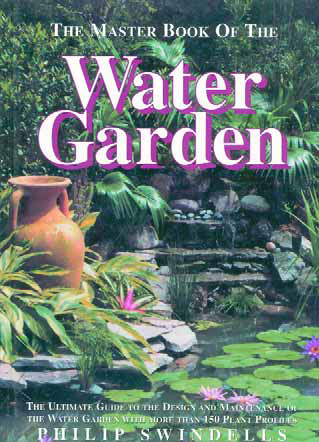
Experts in watergardening and pond enthusiasts of all stripes are quite quick to claim that their form of watershaping is the fastest-growing segment of the industry and trumpet a history that stretches, they say, to the Islamic world, Japan and Europe. I can't say whether they're right or wrong with their assertions, but it's my sense as someone who's been designing with water for many years that the current trend toward naturalistic ponds and streams is quite strong (and probably getting stronger) and that it's important for all of us professionals to approach the art and science of "living" watershapes in a deliberate and thoughtful way. To that end, I've examined many publications dedicated to watergardening - and I'd be lying if I said that I've been
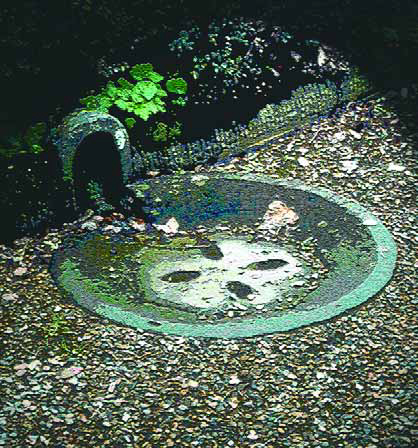
Some people seem to believe that designing is all about reinventing the wheel every time they go to work on a new project or need to create a new detail of some kind. Truth is, however, that most great design ideas and details are derivative of things that have been done before. This is why I'm such a strong advocate for education - especially the sort that involves venturing out into the world and seeing things with your own eyes. You can see pictures of things in books and watch slide shows in classrooms, and that's extremely valuable for the way it opens your eyes to

I never really thought much about the plants and trees surrounding me until I started edging my way toward the landscape-design business. Growing up, I'd look out my bedroom window and into our backyard and see plants and trees, but I didn't know that they were called Junipers or Giant Birds of Paradise or Ficus trees. They all looked pretty much the same to me - a generic veil of greenery. My path of discovery began when I bought my first house on Long Island. All of a sudden, there were rules about
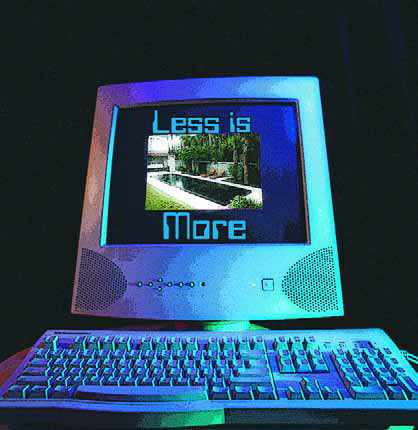
We've all heard the phrase "less is more" so often that it's become a cliché, but there are still situations where there is powerful truth in those words. There is no question, for example, that watershapers can create tremendous beauty by using simple shapes and quality materials to accentuate and magnify a setting. This is particularly so when the watershaper exploits the alluring, reflective qualities of water itself to create a strong focal point while effectively blending the vessel into its setting. A case in point is the

When I was a kid, I was obsessed with hot rods. I suspect this resulted from my dad's subscriptions to magazines such as Road & Track and Street Rod: I was mesmerized by

It's a setting of searing beauty and now features a home that is unquestionably a work of art. Designed by renowned architect Helena Arahuete of Lautner & Associates (Hollywood, Calif.), the structure sits on a privately owned, 2,000-foot-tall mountain known as Twin Sisters Peak - just part of an 1,800-acre estate in Solano County, Calif., that offers clear vistas of the Pacific Ocean, Golden Gate Bridge, San Francisco Bay, the Sacramento Valley, Napa Valley and the Sierra Madre Mountains as you turn around the compass. In the great tradition of "organic architects" from Frank Lloyd Wright through to Arahuete's mentor and long-time collaborator, the late John Lautner, the home takes full advantage of its setting, crowning the mountaintop with a glass-and-concrete hexagon that at once beautifies and harmonizes with the landscape. So fascinating is this structure and so prominent is its location that, during construction and ever since, private
It's a setting of searing beauty and now features a home that is unquestionably a work of art. Designed by renowned architect Helena Arahuete of Lautner & Associates (Hollywood, Calif.), the structure sits on a privately owned, 2,000-foot-tall mountain known as Twin Sisters Peak - just part of an 1,800-acre estate in Solano County, Calif., that offers clear vistas of the Pacific Ocean, Golden Gate Bridge, San Francisco Bay, the Sacramento Valley, Napa Valley and the Sierra Madre Mountains as you turn around the compass. In the great tradition of "organic architects" from Frank Lloyd Wright through to Arahuete's mentor and long-time collaborator, the late John Lautner, the home takes full advantage of its setting, crowning the mountaintop with a glass-and-concrete hexagon that at once beautifies and harmonizes with the landscape. So fascinating is this structure and so prominent is its location that, during construction and ever since, private

Truly a large-scale project full of unique technical challenges in an unusual and important civic setting, the renovation of the watershapes at Jambalaya Park in Gonzalez, La., is easily the most unusual project our firm has ever tackled. The park covers seven beautifully wooded acres in an older section of town that's mostly residential but sits directly behind City Hall and several other smaller civic buildings. It takes its name from the fact that the city is known as the world's "Jambalaya Capital" and annually hosts a week-long festival celebrating the Cajun stew that has become a star in the

To residents of St. Louis, Forest Park is a civic treasure on the order of New York's Central Park - which, locals are quick to point out, is smaller than their favorite park by 500 acres. Established in 1876 at the heart of the city, Forest Park has a similarly grand and glorious history, including service as the site of the renowned 1904 Louisiana Purchase Exposition & World's Fair, which drew more than 20 million visitors from across the globe. Through the years, the park's 1,370 acres have become "home" to such major attractions as the world-famous Saint Louis Zoo as well as the city's art museum, science center, planetarium, history museum and The Muny, the nation's largest outdoor theatre. Forest Park is also home to the

It's one of the most horrific things that can happen to anyone who enters a pool or a spa: One moment you're having fun or relaxing, and in a terrible instant you're caught in a devastatingly painful and potentially fatal situation. Most people who become entrapped by pool, spa or wading-pool plumbing do survive, but all too often they suffer life-altering injuries. As with any aquatic safety issue, we all agree these incidents should be prevented, and a great many talented people from government, trade associations, research institutions, equipment manufacturers and consumer-safety groups have invested a tremendous amount of time in examining suction entrapment. For all of that effort, however, seeing our way to