








ARTICLES
Advance Search
Aquatic Health
Aquatic Health, Fitness & Safety
Around the Internet
Aquatic Culture
Aquatic Technology
Artful Endeavors
Celebrity Corner
Life Aquatic
Must-See Watershapes
People with Cameras
Watershapes in the Headlines
Art/Architectural History
Book & Media Reviews
Commentaries, Interviews & Profiles
Concrete Science
Environment
Fountains
Geotechnical
Join the Dialogue
Landscape, Plants, Hardscape & Decks
Lighter Side
Ripples
Test Your Knowledge
The Aquatic Quiz
Other Waterfeatures (from birdbaths to lakes)
Outdoor Living, Fire Features, Amenities & Lighting
Plants
Ponds, Streams & Waterfalls
Pools & Spas
Professional Watershaping
Structures (Editor's Notes)
Travelogues & History
Water Chemistry
WaterShapes TV
WaterShapes World Blog
Web Links
Around the Internet
Aquatic Culture
Aquatic Technology
Artful Endeavors
Celebrity Corner
Life Aquatic
Must-See Watershapes
People with Cameras
Watershapes in the Headlines
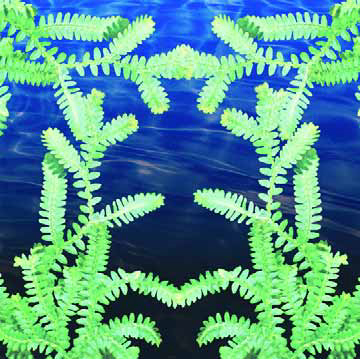
Very often when I'm selecting a plant palette with a client, I'll hear the words, "I hate ferns." I'm not sure what it is about these botanical beauties that evokes such a visceral reaction from people - except maybe that they were overused in floral arrangements during the 1970s and 1980s? I'm not sure what's going on here, and if any of you know a soild reason for this dismissal, please educate me! For my purposes, ferns are one of the most versatile plants available. They typically prefer
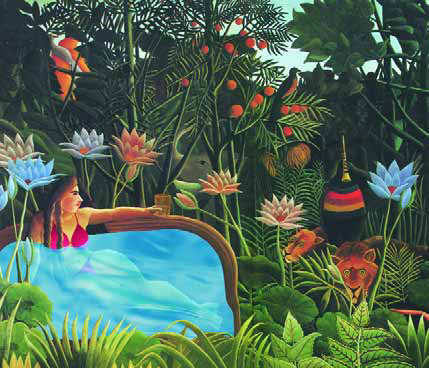
What makes for a great natural-style watershape? That's a huge question - one which a great many people have devoted their careers to exploring and for which almost every one of us will have a slightly different answer. As you will see here, my own response to the question starts with even more questions about the site, my clients and the surrounding structures and vegetation - questions I ask myself as I approach each individual design assignment and decide how far

Did your high school have a swimming pool? If so, you were lucky. In my case, the high school I attended did not have a pool, and only now do I fully see how much I

Cascades and waterfalls are different from most other types of watershapes. In ponds, for example, the quiet reflective surface of the water serves to accentuate elements within the water, such as the plants, fish and rock materials, while reflecting the features surrounding it. That same reflectivity is a hallmark of pools as well. Our purpose in setting up cascades and waterfalls is, by contrast, to highlight the water itself, and specifically the beauty of water in motion. As it flows over and around rocks and descends through natural weirs and cascades, the water itself creates interest, excitement and soothing sounds. There's also a greater sense of variety when you make the water move. Within relatively small spaces, we set water up to rush and meander, cascade and roll, tumble and trickle - all by way of conjuring impressions of a natural stream moving down a grade. Using moving water in this way - in mimicry of nature - is a true watershaping specialty, and volumes could be written about what it takes to make these scenes believable. For now, however, let's focus on setting up headwaters - a feature we at Xstream Ponds in Cashiers, N.C., have come to see as the key to

It should be a given, but it isn't: Despite the fact that proper pump installation is critical to ensuring the reliable and efficient functioning of any watershape's circulation system, too often installers will take shortcuts that compromise performance and shorten a pump's life. In this article, hydraulic expert Steve Gutai opens a new series on proper hydraulics with a concise look at what it takes to get the installation done the right way.
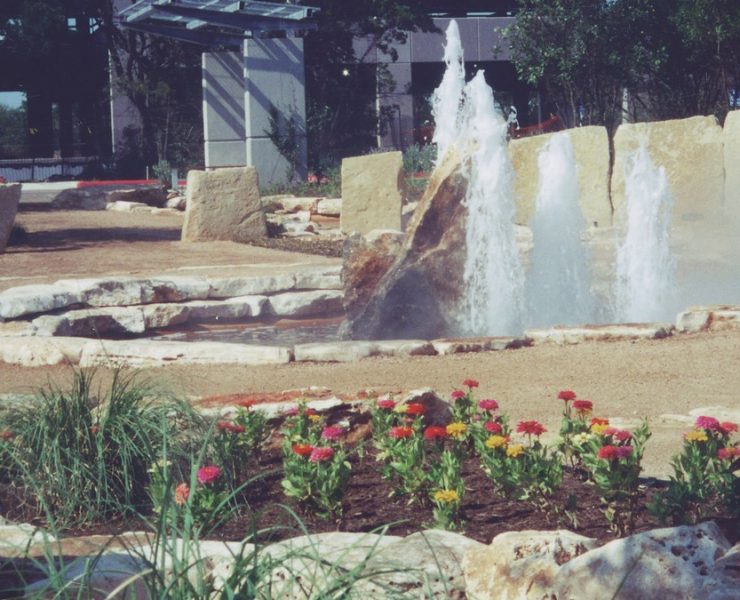
Perhaps the hardest thing for a watershaper to accomplish is to take a set of someone else's drawings, plans, sections and elevations, roll them all around together and come up with an accurate, three-dimensional, living interpretation of an architect's vision. The project shown here is a prime example of what's involved in this process. Designed by senior landscape architect Patrick Smith of the Austin, Texas, firm of Richardson Verdoorn, the plans called for three separate streams ranging in length from 50 to 80 feet (with each dropping 36 inches over various weirs) - all converging on a rocky

One of the things I like most about working with water is that it makes statements that don't require much verbal explanation. In fact, I like to think that the projects I build speak volumes about my clients' desire for something creative and interesting. They also speak to the point that most of my clients grant me the freedom to give my very best effort, both aesthetically and technically, without many constraints. Not all the work I do is so modern in style or approach as the project pictured in these pages, but this one illustrates a principle that's become a
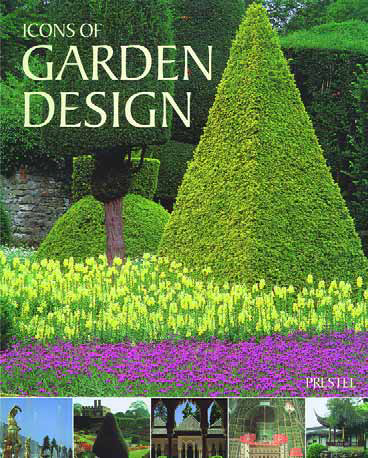
If you're looking for a broad overview of the world's most significant gardens, their styles and the designers who created them, Icons of Garden Design may well be just the book for you. The 174-page text, edited by Caroline Holmes and published by Prespel Publishing in 2001, consists of dozens of well-illustrated articles from a variety of writers who cover an amazingly broad range of famous designs and designers. The book's coverage reaches back to 300 B.C. and comes to a close in the here and now. Along the way, you visit the grounds of Versailles in France, Chatsworth in England, the Peterhof in Russia and an array of gardens less well known to most of us educated in the Western world, including fantastic spaces in
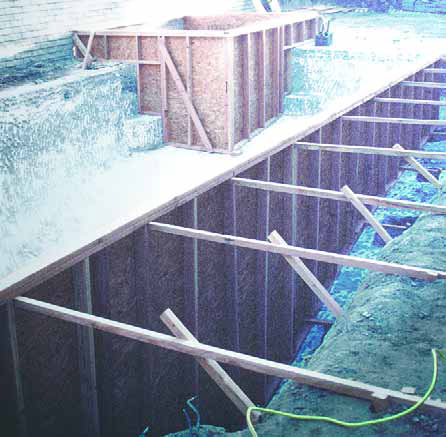
Last time, I mentioned initial meetings and discussions having to do with a retrofit project in Pacific Palisades, Calif. I call it a "retrofit" because we're using a portion of an existing pool shell as part of the new one, but in truth this is really a ground-up reworking of the entire environment. This project displays the influence that architects Ricardo Legoretta and Luis Barragan have had on my thinking about shapes, colors and spatial relationships. As soon as I saw this place, in fact, the work of both came to mind because of the strong colors and materials and the expressive

Last month, we discussed ornamental grasses and their place as the most natural of all companions for watershapes. Now it's time to look at a few of your grass options, including something for just about every need and taste. Ornamental grasses come in such a wide range of sizes, climate preferences and colors that there really is at least one choice that will work in any client's yard. With so many choices, I'll have to narrow the list down to my personal favorites here. I'll also be suggesting some plants that aren't traditionally considered to be ornamental grasses; these are some "grass-like" plants I use as required to meet a particular design's needs. As always, I recommend