








garden design

Just as few sounds blend so beautifully or evoke such sensations of peace and calm as the sweet tones of birds singing along with the relaxing music of moving water, I'd also have to say that few sights in nature delight the eye more than watching migrating robins queuing up for a bath, hummingbirds darting through a mist or a bold vireo "plunge bathing" in a rippling pool. For most of my life, I've been inspired to observe the beauty and freedom of birds and am among those who have spent hours in the wild hoping to catch a glimpse of a
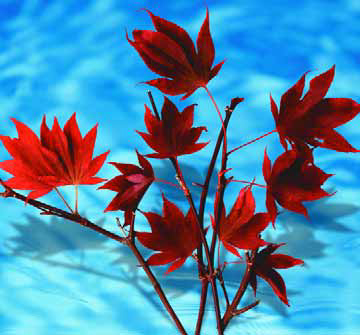
If I could point to one plant that will consistently stand out in just about any garden, it would have to be the maple. Virtually no Asian-style garden would be complete without one, and they fit beautifully into gardens of many other styles as well. I particularly like pairing maples with watershapes because of their tendency to soften the edges of typical hardscapes and the way they are reflected by the water. When placed well, a specimen or single maple can indeed be a key
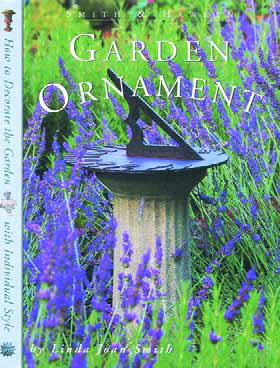
So often it's the finest or most delicate touches that make or break backyard projects - and exploring the constituents of those touches is what Garden Ornament by Linda Joan Smith (Workman Publishing, 1998) is really all about. This beautifully illustrated, 136-page book tackles head on the often overlooked subject of garden ornamentation and, in doing so, pulls back the veil on a remarkably rich set of design touches and specific objects you can use to lend interest to your projects, generate enthusiasm among your clients and, ultimately, give your projects real visual energy. That set of ideas includes items that can be used to add beauty and even
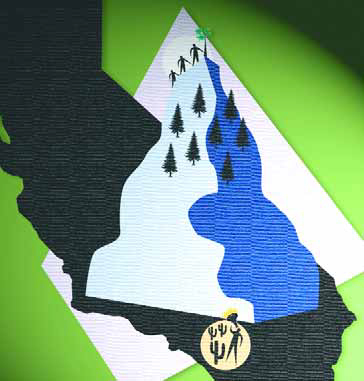
It's pretty obvious that designing projects outside your familiar climate zone takes some ingenuity and resourcefulness. That's something I could have told you before I tackled a project near Lake Arrowhead in Southern California's mountains - a world away from my usual work in the hot, arid San Fernando Valley or on Los Angeles' temperate west side. What the experience drove home for me, however, is the importance when you're working away from your home base of finding people in that "alien" zone who know what they're doing and are willing to
It's not often that we're asked to stretch ourselves. This past year, however, I was presented with that opportunity in landscaping a site that was quite different from the usual residential lots I encounter in Southern California. Through all my years in business, I've become accustomed to working in a climate that supports year-round planting, year-round foliage and year-round lush views. In this case, I received a call to design a garden in the mountains above Southern California - and I jumped at the chance to

Many years have passed since I first saw pictures of China, but my desire to travel to the Giant of the Orient has never waned. In recent years, in fact, that interest grew ever stronger as I watched all the new information emerging from China as it has slowly opened itself to the Western world. I’ve been particularly fascinated by documentaries on the Yangtze River and The Great Dam that China is building to manage its floodwaters. This past spring, I visited China to see its amazing gardens with my own eyes and travel down the Yangtze through the fabled Three Gorges and the Lesser Three Gorges. I went seeking inspiration and came back with more than my quota of thoughts on the mysteriousness and tantalizing vagueness with which

One of the keys to designing effective spaces for human occupation is to create opportunities for movement from one place to another. This component of mobility adds functionality and utility to just about all spaces while keeping them vital and interesting. In watershape design, we have several options when it comes to introducing mobility to our work, including pathways and bridges that lead to
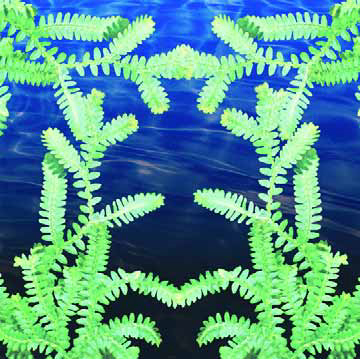
Very often when I'm selecting a plant palette with a client, I'll hear the words, "I hate ferns." I'm not sure what it is about these botanical beauties that evokes such a visceral reaction from people - except maybe that they were overused in floral arrangements during the 1970s and 1980s? I'm not sure what's going on here, and if any of you know a soild reason for this dismissal, please educate me! For my purposes, ferns are one of the most versatile plants available. They typically prefer

Last month, we discussed ornamental grasses and their place as the most natural of all companions for watershapes. Now it's time to look at a few of your grass options, including something for just about every need and taste. Ornamental grasses come in such a wide range of sizes, climate preferences and colors that there really is at least one choice that will work in any client's yard. With so many choices, I'll have to narrow the list down to my personal favorites here. I'll also be suggesting some plants that aren't traditionally considered to be ornamental grasses; these are some "grass-like" plants I use as required to meet a particular design's needs. As always, I recommend
Images of waterways almost anywhere in the world are filled with gentle sweeps of free-flowing grasses swaying in the breezes or simply lazing by the water's edge. From a watershaper's perspective, these grasses are arguably the most versatile of all plant materials. In one form or another, they exist and thrive in almost every environment in the world. They can be used by themselves to lend a natural feeling to a stream or pond, next to a contemporary watershape to make a bold statement or nestled among almost any other plants in any landscape style to soften and add texture. One of the best things about grasses (particularly the taller ones) is how gracefully they wave in the wind, adding an element of