








construction

From pools, spas and fountains to streams, ponds and waterparks, effective watershaping is largely about the plumbing that makes these systems work. If you see things that way, says hydraulics expert Steve Gutai, there's nothing more fundamental to success than making proper connections in the system's plumbing lines, first time, every time, and piping joints that will bear up under pressure for the long haul.

At its most basic, public art creates spaces in which people experience art without paying hard-earned dollars to own it or going to a museum or gallery to see it. Public art is also about giving everyone within eyeshot new types of experiences amid their daily routines. Perhaps it's an object they'll pass on the way to the subway or an environment they'll spot out of the corner of an eye as they drive to the grocery store. Maybe it's a place where people gather to eat lunch or a landmark for arranging meetings with friends. Whether it's familiar to the viewer or sneaks up unexpectedly, the work becomes

The notion that water can be used to treat physical problems and conditions is not new. In fact, when you study the history of watershaping and aquatic design, one of the first things you learn is that the ancient Romans might actually have had a better grip on the healing and nurturing powers of water than we ever will. In our own work in designing and installing environments that nurture the spirit and invigorate the body, we pursue that Roman heritage as best we can - and always keep water in mind as a key component. The project described in this article stands as one our most dramatic explorations of the curative power of water to date. The pool, spa and

Just as few sounds blend so beautifully or evoke such sensations of peace and calm as the sweet tones of birds singing along with the relaxing music of moving water, I'd also have to say that few sights in nature delight the eye more than watching migrating robins queuing up for a bath, hummingbirds darting through a mist or a bold vireo "plunge bathing" in a rippling pool. For most of my life, I've been inspired to observe the beauty and freedom of birds and am among those who have spent hours in the wild hoping to catch a glimpse of a

For the most part, the designers and builders of pools, spas and other watershapes visualize their projects in full sun, install them during daylight hours and seldom (if ever) see them after the sun goes down. That's both a problem and a shame, and it's reflected in the fact that the run of projects you encounter by mainline pool-industry folks - and, to a lesser extent, by people from the landscape trades - tend to treat the lighting of exterior spaces as an afterthought if it's really thought about at all. In fact, I'll go so far as to say that
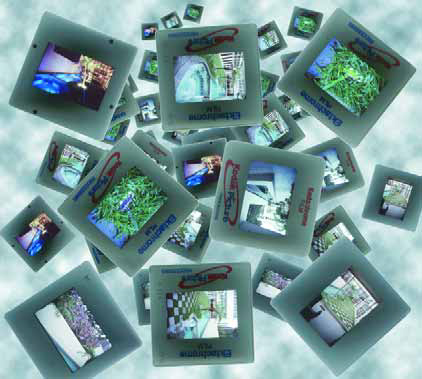
When you look at this project in finished form, there's no way to see the months of struggle or the overall level of difficulty that went into its creation. You don't see the fact, for example, that we discovered while excavating the courtyard that the house itself was in imminent danger of collapsing. You don't see that the narrow access way buckled when we first started working, or the ugly trauma of the broken septic tank. You can't see the continuous changes in thought, direction and design that went into the deck, or the tremendous time and effort required to make the

It began as the playful vision of Bob and Kat Tudor, husband-and-wife philanthropists and founders of The Smokebrush Theatre in Colorado Springs, Colo., who decided one day to donate a unique fountain to the children of their city. Now that vision, fully realized, belongs to the citizens of this sprawling town at the foot of the Rocky Mountains in the form of a dazzling water display and a folksy character named Uncle Wilber. Multi-talented artists in their own rights, the Tudors developed the aesthetic and creative concepts but knew from the start that they would need to enlist advanced technical expertise to

The process of designing a watershape or garden usually requires the designer to answer a number of questions - the vast majority of them having to do with seeing the water and the landscape. Indeed, from considerations of color and scale to managing views and ensuring visual interest within the space, much of the designer's skill is ultimately experienced by clients and visitors with their eyes. But what if your client is blind or wheelchair-bound or both? How do you design for them? What colors do you use in your planting design? Would you even care about color? How will they move through the space and what experiences will await them? What would be the most important sensory evocation - sound, fragrance or texture? These are the sorts of special questions we asked ourselves after being approached by clients who had the desire to create a sensory garden for visually impaired and physically handicapped people. The experience shed a whole new light on the power of non-visual aesthetics and prompted me to

It's truly a diamond in the rough: a huge, sparkling blue pool set in the middle of nowhere in a country that is probably best known for being the gateway between two grand oceans. For a time before I arrived on the scene, however, the enormous rectangular swimming pool at Palabra de Vida, a Christian missionary camp in Chame, Panama, was anything but shimmering. The mission operates a camp for the region's underprivileged children, who visit the facility in shifts that stretch across several months each year. There are times when
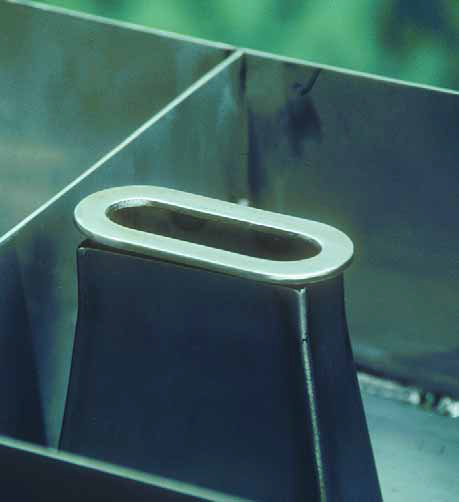
If you've been following this column for the past several issues, you already know a good bit about the magnificent (and magnificently difficult) project I completed late last year in the Malibu Colony. Many times in those columns, I mentioned (mostly in passing) a system of four deck-level laminar jets we planned on installing. As was the case with just about everything else on this project, incorporating the system of jets into the courtyard environment turned out to be far more complicated and challenging than we ever thought it would be. When all was said and done, however, we all agreed that meeting this particular challenge was