







reviews
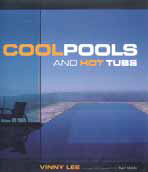
As I've reported previously, the past few years have seen a proliferation of consumer-oriented books on custom swimming pools. Most put the emphasis on images rather than written information, but I don't object: They're generally loaded with beautiful, inspirational projects and terrific photography. In fact, I use many such publications as sources of ideas and frequently share them with clients as we move into the design phase. But I've found that I need to pick and choose within some of them: While the projects are often executed at a very high level, some aren't all that great. With that one occasional caveat, I've recently been through four of these books - and this time around, they all focus mainly on pools in
As I've reported previously, the past few years have seen a proliferation of consumer-oriented books on custom swimming pools. Most put the emphasis on images rather than written information, but I don't object: They're generally loaded with beautiful, inspirational projects and terrific photography. In fact, I use many such publications as sources of ideas and frequently share them with clients as we move into the design phase. But I've found that I need to pick and choose within some of them: While the projects are often executed at a very high level, some aren't all that great. With that one occasional caveat, I've recently been through four of these books - and this time around, they all focus mainly on pools in
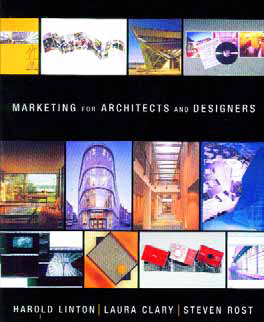
It only makes sense that designers should promote themselves in ways that reflect their abilities. When we look at the materials many watershapers use to market their services, however, it's obvious that everything from business cards to brochures and web sites has often been assembled without much attention being paid to how messages are conveyed in words, images or graphics. Recognizing these shortcomings in others prompted me to reflect on my own approach to marketing and promotion - which in turn led me to pick up a copy of Marketing for Architects and Designers by Harold Linton, Laura Clary and Steven Rost (W.W. Norton & Company, 2006). As the helpfully descriptive title indicates, this 150-page, beautifully illustrated text defines what designers need to know about
It only makes sense that designers should promote themselves in ways that reflect their abilities. When we look at the materials many watershapers use to market their services, however, it's obvious that everything from business cards to brochures and web sites has often been assembled without much attention being paid to how messages are conveyed in words, images or graphics. Recognizing these shortcomings in others prompted me to reflect on my own approach to marketing and promotion - which in turn led me to pick up a copy of Marketing for Architects and Designers by Harold Linton, Laura Clary and Steven Rost (W.W. Norton & Company, 2006). As the helpfully descriptive title indicates, this 150-page, beautifully illustrated text defines what designers need to know about
For a long time now, clients and prospects have been asking me about exterior facilities that will enable them to cook, dine and entertain in their backyards. It's been so prevalent, in fact, that I've mentioned the trend in this space on a couple of occasions - noting once or twice my frustration about the lack of books available for me to use in meeting the need. The sheer demand for these features seems to have arrived several steps ahead of publishers' being able to put books on the shelves. In the past year, however, that picture has changed. Just recently, in fact, I picked up four
For a long time now, clients and prospects have been asking me about exterior facilities that will enable them to cook, dine and entertain in their backyards. It's been so prevalent, in fact, that I've mentioned the trend in this space on a couple of occasions - noting once or twice my frustration about the lack of books available for me to use in meeting the need. The sheer demand for these features seems to have arrived several steps ahead of publishers' being able to put books on the shelves. In the past year, however, that picture has changed. Just recently, in fact, I picked up four
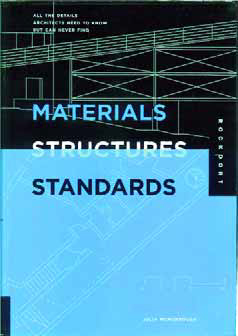
As watershape environments become increasingly integrated with homes and overall exterior spaces, increasing numbers of our clients are asking us for associated structures - everything from outdoor kitchens and dining areas to arbors, cabanas and pool houses. In my case, just about every single design I tackle includes one or more of these features. What this means is that we watershapers are effectively being drawn into the world of architecture. While we may not ultimately design or build these structures, at the very least we need to be familiar enough with their ins and outs that we can talk about them intelligently in the context of a given project. I've picked up a lot of basic knowledge through experience and close observation, but I recently decided to seek out a formal reference that would help me give definitive answers to a wide range of these questions, some as simple as inquiries about how much
As watershape environments become increasingly integrated with homes and overall exterior spaces, increasing numbers of our clients are asking us for associated structures - everything from outdoor kitchens and dining areas to arbors, cabanas and pool houses. In my case, just about every single design I tackle includes one or more of these features. What this means is that we watershapers are effectively being drawn into the world of architecture. While we may not ultimately design or build these structures, at the very least we need to be familiar enough with their ins and outs that we can talk about them intelligently in the context of a given project. I've picked up a lot of basic knowledge through experience and close observation, but I recently decided to seek out a formal reference that would help me give definitive answers to a wide range of these questions, some as simple as inquiries about how much

In my last two columns, I've gone to unusually length in describing my views of the design-preparation and presentation processes. This time, the subjects are more compact but, in practical terms, no less significant and vital: permits and contracts. We left the discussion last time at the point where I've shown my clients the design package and it's time for them to decide what to do. In most cases, they choose to build - the usual outcome for me because of the way I pre-qualified my clients and communicate clearly with them at every step of the way. In general, if you've done the right things to this point and the project reflects an informed knowledge of what is involved in
In my last two columns, I've gone to unusually length in describing my views of the design-preparation and presentation processes. This time, the subjects are more compact but, in practical terms, no less significant and vital: permits and contracts. We left the discussion last time at the point where I've shown my clients the design package and it's time for them to decide what to do. In most cases, they choose to build - the usual outcome for me because of the way I pre-qualified my clients and communicate clearly with them at every step of the way. In general, if you've done the right things to this point and the project reflects an informed knowledge of what is involved in