








Currents

One of the longest-standing knocks against the pool and spa industry is that too many designers and builders rely too heavily on convention and seem disinclined to pursue new paths and ideas no matter how compelling they might be. Of course there are exceptions, but there’s a lot of truth to that statement when it comes to the technology chosen, for example, to drive circulation systems and chemically treat or light the water: All too often, pool and spa professionals tend to keep on specifying and installing equipment they’ve used for years – even if it’s outmoded or is no longer the best available approach – because they feel comfortable with it and
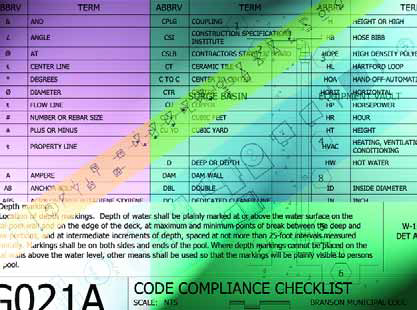
As is true of many business sectors, the architecture, engineering and construction industry (commonly and conveniently abbreviated as A/E/C) has its own language – and the construction documents generated by those professionals (watershapers very definitely included) are the medium through which everyone communicates. The challenge for watershapers is that we’ve come to the table a bit later than

In the landscape lighting business, we often hear complaints about glare and get lots of questions about how to bring it under control. In some cases, it’s a minor annoyance, but in others, some clients are so sensitive to the discomfort it can produce that it ruins entire lighting designs for them. So what exactly is “glare”? I define it as light transmitted directly from a source into an onlooker’s eyes (either directly or indirectly) in such a way that it’s a nuisance. Beyond the squinting
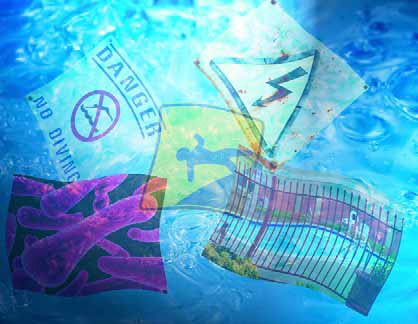
Last October, I had the pleasure of attending the American Society of Landscape Architects’ convention in Philadelphia. While there, I spent much of my time sitting in the WaterShapes booth in the exhibit hall and found myself fielding a surprising number of questions from landscape architects about aquatic safety – and particularly on the new federal regulations and standards having to do with entrapment prevention. At first, I thought it was strange that this was such a hot topic among landscape architects, who, as a rule, haven’t been
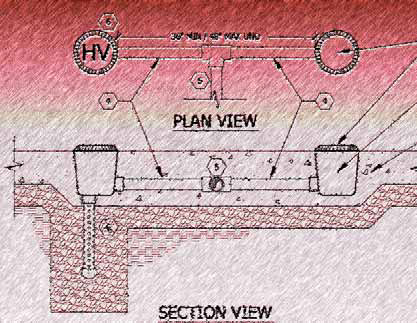
I hadn't planned on breaking away from my coverage of the National CAD Standard anytime soon, but recent events - including the arrest of a pool builder on charges of manslaughter in a suction-entrapment incident - compelled me to do otherwise. As I started composing this column, my plan was to call it "Entrapment Rundown" and make it a straightforward, positive summary of recent changes in codes and systems related to suction entrapment. As I dug more deeply into the topic, however, I found the issues and solutions to be much more confusing than I'd anticipated - so much so that
I hadn't planned on breaking away from my coverage of the National CAD Standard anytime soon, but recent events - including the arrest of a pool builder on charges of manslaughter in a suction-entrapment incident - compelled me to do otherwise. As I started composing this column, my plan was to call it "Entrapment Rundown" and make it a straightforward, positive summary of recent changes in codes and systems related to suction entrapment. As I dug more deeply into the topic, however, I found the issues and solutions to be much more confusing than I'd anticipated - so much so that
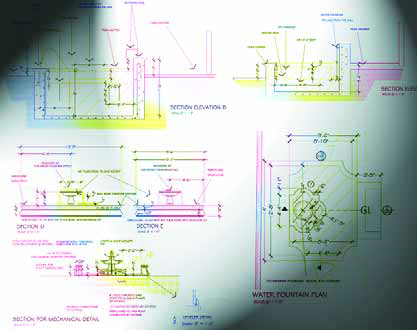
What happens when you take a large group of landscape architecture students and, for a solid week, rigorously school them in the fundamentals of watershaping? You might be surprised: Even though that seems like a short span, my charges took to watershaping like fish to water when I introduced them to the subject this past spring - and the results were both remarkable and inspiring. As their instructor, I witnessed not only their keen interest but also saw ample evidence that they were applying highly refined design processes and quality design productions in their watershape-related coursework. So despite what some skeptics have been telling me for years, you actually can

It's not an uncommon goal: Nearly all of the homeowners I speak with about lighting designs want to be able to move safely and comfortably around their properties at night. Perhaps more important, they want guests and others unfamiliar with those spaces to be able to do the same without anyone being concerned about suffering an injury as a result of a misstep brought on by darkness or glare. The interesting this is, some of my clients need convincing when it comes to path or step lighting: Even if they see

Professionals often seek ways to distinguish themselves in their chosen fields of endeavor. For watershapers and others who work in design- and construction-related disciplines, one prized distinction is consistency when it comes to drawings: It’s something that makes them easier to work with and more valued as collaborators. Indeed, established firms repeatedly use the same drafting conventions, project after project, to a point where their plans become known and well-regarded for being easy to understand – and their projects much easier to
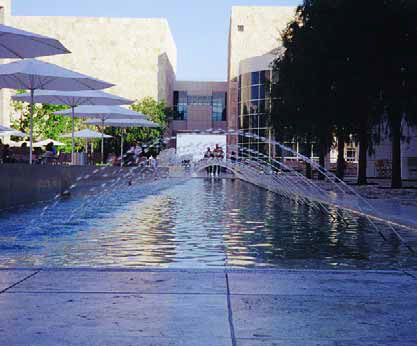
What’s the use of knowing about history? For many of us, the answer to that question seems so obvious that it comes as a shock to find out just how many people in the watershaping and landscape fields don’t grasp the all-encompassing significance of our collective past – but it shouldn’t. Using my own career as an example – and even though I now spend a considerable amount of my time teaching professionals and university students all about art and architectural history – I confess that I waltzed through more than a few early years as an aspiring landscape architect and watershaper in blissful ignorance of