







book review

As I’ve mentioned before in this space, my education in landscape architecture pulled up lame when it came to instruction in art and art history. That shortfall has bothered me greatly as my career has progressed, but the silver lining is that I’ve been motivated to seek out sources I can use to
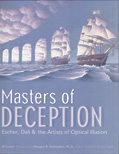
Although we might not commonly think of watershaping and exterior design in this way, a great many of the details we shape are designed to fool the eye or somehow create illusions. Consider the pools that are made to appear so natural that they don’t seem to have been man-made — or vanishing edges that conjure the impression that

How do you define artistry? That’s a highly subjective question, of course, but I’ve always thought of it as a completed work that radiates impressions of insight, effort, skill and mastery – even in seemingly ordinary applications. Breaking it down further, materials are my personal passion – how they are selected and, far more important, how they are used. Indeed, while the presence of wonderful materials alone can make their impression no matter how banal a design, when the person wielding those wonderful materials has the
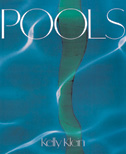
It’s unlikely that anyone back in 1992 would have imagined that the daughter of fashion designer Calvin Klein would change the way we think of swimming pools. That might be a slight exaggeration, but to me there’s no question that Pools by Kelly Klein, first published by Rizzoli 15 years ago and rereleased late in 2007, was unique at that time in treating pool design as

Given the fact that swimming pools and most other watershapes are placed in the ground, I've long been of the opinion that it's incumbent upon all of us who design and build them to have a basic understanding of soils science and geology. As has been stated in this magazine and elsewhere more times than I can count, the nature of

Note: This book review was first published in the November 2008 issue of WaterShapes. Given what has happened in the economy since then, we think the book is just as relevant today as it was then — perhaps even more so. As 2008 draws to a close, it’s apparent that we are
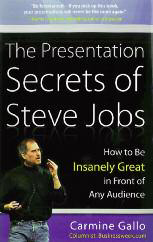
You hear it all the time these days: Now is the time to improve all aspects of what you do for a living. I’ve taken that message to heart and, in striving to upgrade all facets of my work as a watershaper, have come to a somewhat shocking realization: For all of the countless presentations I’ve made to clients, I’ve never taken a critical, disciplined look at that part of my job. In college, of course, I was forced to make presentations about class projects, but the focus was always on the design and not on the presenting. Indeed, my instructors reinforced the point that it wasn’t how you presented ideas, but instead the