








types

'My daughter and I just returned from our annual trip to visit family in Connecticut and used the occasion this time to travel all over the northeast,' wrote Stephanie Rose in opening her Natural Companions column for November 2004. 'I'm never disappointed by the beauty I find in that part of the country.' 'What I find most beneficial in travel

In recent weeks, I’ve spent a good bit of time speaking to landscaping colleagues, garden clubs and symposium attendees about our general need to get smarter when it comes to how we think about landscapes. This is all part of my perpetual campaign to convince everyone to use the right plants in the right places in order to save water, labor and the fuels consumed in maintaining them. A big part of my pitch is one I’ve addressed before in this space – that is, I object to
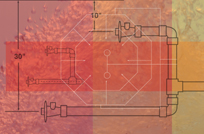
Designing watershapes of any sort is becoming more and more challenging every day. Where not all that long ago consumers were happy if a pool or spa or fountain or pond simply looked good and operated reliably, there's a new generation of consumers who are much more interested in how these vessels are built and, more specifically, in knowing about how energy efficient they are. This trend is being driven on the one hand by the inevitability of rising utility rates and on the other by legislation such as California's Appliance Efficiency Code (Title 20) - a rule that's attracting the attention of code writers across the country because of the overwhelming importance these days of reducing energy consumption. With that backdrop, this article takes a look at a watershape's main energy consumer and the most basic of all its

With everyone's thoughts turning to spring, it's an opportune time to think about new ways to enhance our garden designs. In addition to considering basic components that lay the groundwork for designs, I'd like to suggest looking for more specific ways to define and personalize our clients' spaces. You might explore gardens made for entertaining, for example, or spaces free of allergy-aggravating plants. One prospect I've been considering lately (and will discuss here in detail) is ways of attracting beneficial insects to my gardens - specifically butterflies. I enjoy watching butterflies float through my backyard, gently land on their favorite flowers and then spread their wings to reveal
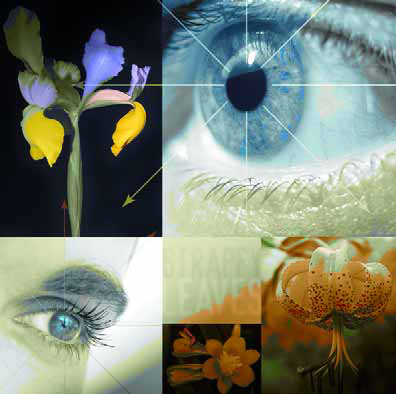
Most of my clients don't know a Pittosporum from a Loropetalum - nor would I expect them to. Unfortunately, however, this often leaves me to describe plants to them, a process that often makes me feel like I'm reenacting that television commercial where the homeowner tries to mimic the creature seen crawling across the kitchen floor for an exterminator: I'll stand there with my arms up or out, attempting to look like the botanical specimen I'm suggesting for use in their garden. One of the easiest groups of plants to describe in this or any other way is a collection I call the strappy-leaf plants. I didn't make up the term, and I'm sure many of you have also used it yourselves to describe plants with foliage that looks like straps - generally long strips that emerge from a central clump and arc up, sometimes flopping over to create
Most of my clients don't know a Pittosporum from a Loropetalum - nor would I expect them to. Unfortunately, however, this often leaves me to describe plants to them, a process that often makes me feel like I'm reenacting that television commercial where the homeowner tries to mimic the creature seen crawling across the kitchen floor for an exterminator: I'll stand there with my arms up or out, attempting to look like the botanical specimen I'm suggesting for use in their garden. One of the easiest groups of plants to describe in this or any other way is a collection I call the strappy-leaf plants. I didn't make up the term, and I'm sure many of you have also used it yourselves to describe plants with foliage that looks like straps - generally long strips that emerge from a central clump and arc up, sometimes flopping over to create
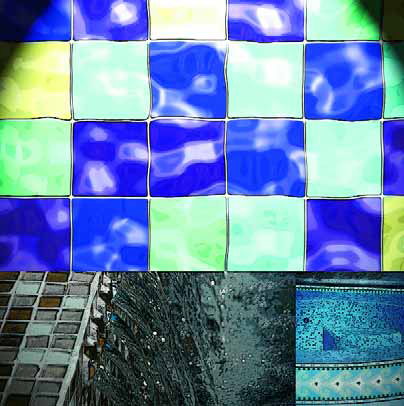
I know I've quoted or paraphrased Ernest Hemingway on this point before, but it bears repeating once again: Anything that was ever any good, you pay for. I'd go so far to say I've based my entire business philosophy on that basic idea. For one thing, there's an essential truth to what he's saying. For another, I see its clear application to watershaping on a variety of levels - particularly when it comes to the materials we use in creating our "art." Indeed, a huge part of giving clients the unique elegance and beauty they so often crave involves understanding and appreciating

I never really thought much about the plants and trees surrounding me until I started edging my way toward the landscape-design business. Growing up, I'd look out my bedroom window and into our backyard and see plants and trees, but I didn't know that they were called Junipers or Giant Birds of Paradise or Ficus trees. They all looked pretty much the same to me - a generic veil of greenery. My path of discovery began when I bought my first house on Long Island. All of a sudden, there were rules about