








ARTICLES
Advance Search
Aquatic Health
Aquatic Health, Fitness & Safety
Around the Internet
Aquatic Culture
Aquatic Technology
Artful Endeavors
Celebrity Corner
Life Aquatic
Must-See Watershapes
People with Cameras
Watershapes in the Headlines
Art/Architectural History
Book & Media Reviews
Commentaries, Interviews & Profiles
Concrete Science
Environment
Fountains
Geotechnical
Join the Dialogue
Landscape, Plants, Hardscape & Decks
Lighter Side
Ripples
Test Your Knowledge
The Aquatic Quiz
Other Waterfeatures (from birdbaths to lakes)
Outdoor Living, Fire Features, Amenities & Lighting
Plants
Ponds, Streams & Waterfalls
Pools & Spas
Professional Watershaping
Structures (Editor's Notes)
Travelogues & History
Water Chemistry
WaterShapes TV
WaterShapes World Blog
Web Links
Around the Internet
Aquatic Culture
Aquatic Technology
Artful Endeavors
Celebrity Corner
Life Aquatic
Must-See Watershapes
People with Cameras
Watershapes in the Headlines

Among the most rewarding of all the projects I tackle are those in which a pond, stream or waterfall is meant to be a teaching tool. The lessons don't have to be difficult to grasp or challenging to deliver: They simply add a layer of meaning, depth and value to the work that sharpens my interest and lifts my spirits. The stream system at Reed Street Yards in Milwaukee, Wisc., was a source of just this form of personal satisfaction: The city has been positioning itself as a global leader in all things related to freshwater systems, and my participation here had to do with an incubator/think tank complex aimed at expanding on the efforts of the

Ever since March 20, I've been intending to complete the commentary I started on a book about the history of swimming, but other, more time-sensitive topics have gotten in the way. Now, at last, I'm back on track. As you may recall, Strokes of Genius was written by

'Over and over at seminars and trade shows, watershapers ask me three distinct but interrelated questions: "How do you get into the high-end market?" and "How do you deal with wealthy customers?" and "How do you handle those kinds of jobs?" 'The short answer to all of them,' began Brian Van Bower in his Aqua Culture column in the April 2004 issue of WaterShapes, ' is that I've set myself up for it and am prepared to

Jets and sprays are welcome additions to ponds because they look great. But if the designer or installer follows a few key guidelines outlined here by Roy Watkins, the list of benefits will expand to include an overall improvement in water quality and a healthier environment for fish.

Through the past few years, certain parts of Idaho have seen large influxes of people from California, some of them seeking more bucolic lifestyles, others heading into retirement and still others looking for places where taxes are lower than they are in the Golden State. As it turns out, these folks have been transplanting more than just their personal hopes and dreams, with pieces of California culture following them wherever they go. They're arriving in cities like Boise with preferences in mind as well as the resources required to make
When I was a kid, we'd take occasional family car trips to places all over southern California to see the sights. One of my dad's favorite destinations was San Diego, and what I remember most about those drives was the fact that now-overbuilt Orange County was still mostly vast beanfields all along
I had started writing a completely different blog a few days back when a headline burst in to rattle my sense of calm: "6 Reasons to Demolish Your Swimming Pool Before Summer." Written by Wendy Helfenbaum and published

Generally speaking, the folks who visit botanical gardens fall into two categories. The first includes local residents who can best be described as garden enthusiasts - the sort who visit monthly, weekly or even daily to follow the lifecycles of favorite trees, shrubs and plants and can spend countless hours observing the diurnal operations of flowers or of the birds who come and go as a year progresses. The second group, generally larger and often much larger, includes local residents who stop by the gardens only when
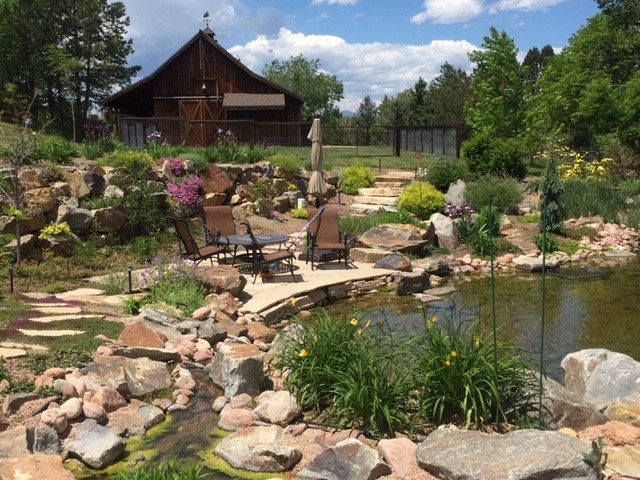
This project came my way as a lot of them have through the years: A landscape contractor had been tasked with organizing things on a large estate property and called me in to work with the homeowners on the pond they wanted. During our first meeting on site, I took an immediate liking to the couple, and she in particular had bountiful ideas about what she wanted. As we walked the estate together that day, she pointed toward the boggy depression at the edge of the property where we'd be placing the pond - quite close to a community bridle path - and said she wanted



Advancing Technology