







ARTICLES
Advance Search
Aquatic Health
Aquatic Health, Fitness & Safety
Around the Internet
Aquatic Culture
Aquatic Technology
Artful Endeavors
Celebrity Corner
Life Aquatic
Must-See Watershapes
People with Cameras
Watershapes in the Headlines
Art/Architectural History
Book & Media Reviews
Commentaries, Interviews & Profiles
Concrete Science
Environment
Fountains
Geotechnical
Join the Dialogue
Landscape, Plants, Hardscape & Decks
Lighter Side
Ripples
Test Your Knowledge
The Aquatic Quiz
Other Waterfeatures (from birdbaths to lakes)
Outdoor Living, Fire Features, Amenities & Lighting
Plants
Ponds, Streams & Waterfalls
Pools & Spas
Professional Watershaping
Structures (Editor's Notes)
Travelogues & History
Water Chemistry
WaterShapes TV
WaterShapes World Blog
Web Links
Around the Internet
Aquatic Culture
Aquatic Technology
Artful Endeavors
Celebrity Corner
Life Aquatic
Must-See Watershapes
People with Cameras
Watershapes in the Headlines
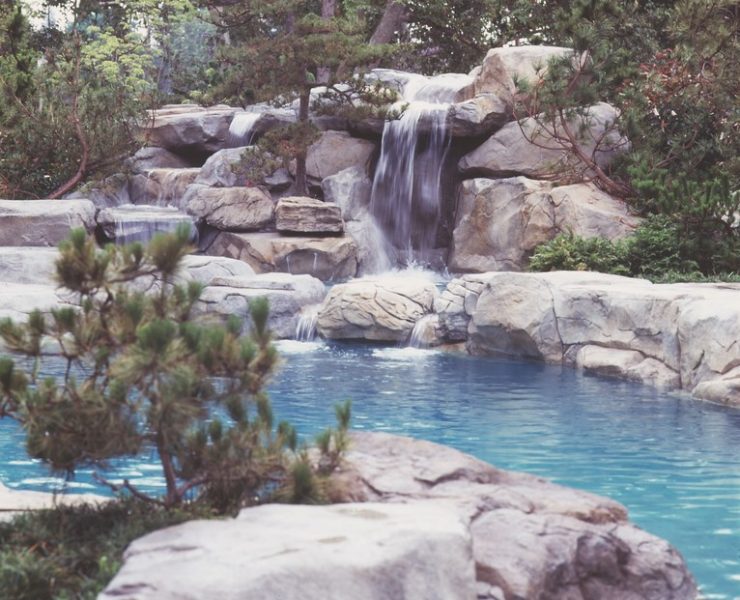
Transforming a tired, old swimming pool into an inviting naturalistic environment is always a challenge, but when the client is Playboy's Hugh Hefner, the project becomes an adventure as well. The original lagoon pool at Playboy Mansion West in Los Angeles, Calif., is still in great shape as a result of outstanding design, construction and maintenance. In expanding the property to include the estate across the street, the plan was to create a "luxury annex" for the main compound. Among the extensive renovations undertaken at the new property was the complete renovation of the backyard and its swimming pool. As was the case with the famed pool and grotto, the concept was to

This time around, I'll follow a detour from the design-oriented publications we've been covering to take a look at a truly unique resource: If you build residential swimming pools and spas or are considering moving into the field, the National Spa & Pool Institute's Residential Pool & Spa Builders Reference Manual is a useful and informative text unlike any other available to the trade. Written and reviewed by dozens of NSPI's builder members, the manual offers a comprehensive overview of pool and spa construction while providing a good foundation of general business and technical information. That makes sense, because it is basically the
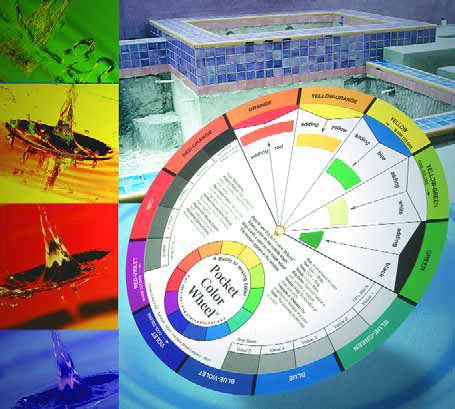
Color is amazing. It provides us with some of greatest opportunities we ever have to create spaces that are emotionally evocative and visually compelling - yet it is also one of the most difficult design details to understand and put to good and effective use. Trouble is, there's no easy way to simplify the challenge: Color is indeed a tough nut to crack, and that's as true for architects, artists, fashion designers and the people who choose colors for new

No matter how it's used - as a focal point in a design or as just another feature balanced among many - the thoughtful use of water offers landscape architects and other watershape designers a huge range of aesthetic opportunities. Indeed, the water's texture, reflectivity, sounds and sculptural qualities can all be used to enhance the observer's experience as he or she moves through an environment, and in a near-infinite number of ways. Regardless of how familiar one becomes with these attributes and using them in built spaces, the presence of water in a design often yields something new, interesting and even unexpected. Whether you use it as a visual transition, a physical destination, an expression of nature or an architectural statement, water is
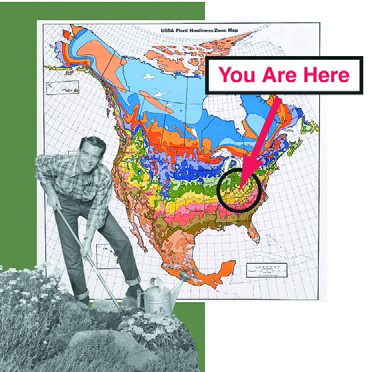
We're all familiar with the climatic differences we experience in areas that get lots of snow as opposed to places that seldom (if ever) experience freezing conditions. These not-so-subtle climate distinctions mean a lot to us as human beings - and have even more meaning in the world of plants and landscaping. That's why almost every one of my columns about plant selection has contained a disclaimer about checking with your local nursery to see if a particular plant will grow in your area. That's also why the experts have developed a variety of
All through my career, I've never really been big on advertising. In fact, the only place I've ever advertised is in Naples, Fla., where I've never been successful drumming up any business even though it's only a short distance from my home. I gave it a good shot - a nice ad with a picture of a vanishing-edge pool, placed in a local newspaper's special section on backyard swimming pools. I was confident I'd get some response, but all that came back was

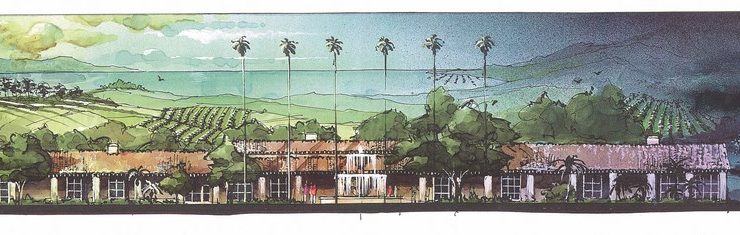
'Project of a lifetime" may not be enough to describe our work at Cima del Mundo. If you'll recall, the hilltop home had experienced many changes since its original construction in 1925, including service as a makeshift monastery as well as a stretch of years in which the property was abandoned and

To my way of thinking, even a so-called average swimming pool is a wonderful thing. It's a product we place in a backyard for the long haul, a product that provides an ongoing recreational experience, operates reliably, enhances lifestyles and adds to property values while offering quality family benefits. With that in mind, I firmly believe that we as an industry must collectively make the decision that there's no place for second-rate construction. "Bargain construction" doesn't work in our industry simply because of the

Landscaping has to be something special to harmonize with the amazing natural surroundings of places such as we encountered with the Colony at White Pine Canyon: Set on 4,000 acres near the famed ski slopes at Park City, Utah, the resort/homestead project was to have watershapes second to none when it came to their natural beauty. Indeed, water was central to the entire plan. We at Land Expressions of Mead, Wash., were engaged by the developer, Iron Mountain Associates of Salt Lake City, to execute an 830-foot stream, a 34-foot cascading waterfall and a sprawling quarter-million-gallon pond. All of this came along with an array of natural plantings, pathways, a 500,000-gallon water tank surmounted by a five-acre meadow, and a guard shack made from rocks, sod and a fallen tree. Projects of this sort don't come along very often - and when they do, they call for creativity, preparation and planning on a grand scale. In this case it, also meant working at (literally) breathtaking altitudes and in a small window of opportunity between snow seasons - all while infusing the work with intricate detail. Here's a look at