








referrals

'The notion that we should do all we can to exceed client expectations,' wrote Brian Van Bower to open his August 2009 Aqua Culture column, 'is one we hear trumpeted in almost every inspirational business seminar and in nearly every keynote speech during trade shows. 'There are very good reasons for

Long known for his advocacy of the power of positive thinking, Brian Van Bower explains why he's also done all he can as a watershaper to get involved, stay involved and become part of social communities that have helped him advance his professional agenda for decades.
'Through the years,' wrote Brian Van Bower at the head of his Aqua Culture column in the October 2005 issue of WaterShapes, 'more than a few watershaping professionals have asked me how to break through and start working with high-end clients. 'I respond by giving them the disappointing news that there is no magic key here: Serving the high end takes

I like to tell people that I have the greatest job in the world. It's true, and whenever I start working with a new client, I feel like a kid in a candy store. Look at it this way: As a watershaper, I get paid to use my ideas, experience, imagination and creativity to make my clients' dreams come true. Essentially, we're big kids playing with very big toys, and clients respond to our enthusiasm in a big way. And the best thing about it is that exterior designs are like fingerprints: Each one is different; every client has his or her own set of priorities; and every property calls for a
I like to tell people that I have the greatest job in the world. It's true, and whenever I start working with a new client, I feel like a kid in a candy store. Look at it this way: As a watershaper, I get paid to use my ideas, experience, imagination and creativity to make my clients' dreams come true. Essentially, we're big kids playing with very big toys, and clients respond to our enthusiasm in a big way. And the best thing about it is that exterior designs are like fingerprints: Each one is different; every client has his or her own set of priorities; and every property calls for a

Through the years, more than a few watershaping professionals have asked me how to break through and start working with high-end clients. I respond by giving them the disappointing news that there is no magic key here: Serving the high end takes commitment, hard work and a willingness to focus your thinking on a distinct set of fundamentals that must take over and guide your work. Depending on the level at which you're currently functioning, getting to the high end may involve climbing a mountain or might simply be about making a series of

Almost everyone I've talked to recently is busier than ever these days. And it's across the boards, from landscape architects and designers to pool and spa builders and subcontractors of every type: Everyone is swamped, and this year in particular they all seem to be having trouble just keeping up. The odd thing is that nobody I've spoken with has an entirely clear idea why this year is so busy. At best, the economy is mixed: oil and gas prices are through the roof, the stock market has been extremely inconsistent and consumer confidence has been shaky. Yet watershaping projects just seem to keep on rolling, no matter the news. One undeniable factor seems to be driving this demand - that is, the

Over and over at seminars and trade shows, watershapers ask me three distinct but interrelated questions: "How do you get into the high-end market?" and "How do you deal with wealthy customers?" and "How do you handle those kinds of jobs?" The short answer to all of them is that I've set myself up for it and am prepared to tackle these projects and clients as they come. To me, it's as natural as breathing. The deeper answer is much more complicated, obviously, and has to do with my understanding that working with upper echelon clients means accommodating an entire range of issues that
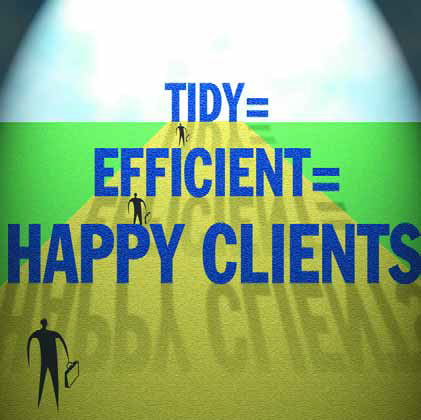
Perception is reality: Regardless of whether that's right or wrong, you are judged by appearances. And there's no escaping those judgments because it's basic human nature. If your own appearances mean ugly-looking vehicles, sloppy-looking employees, shabby offices and job sites that look like disaster areas, you will inevitably be judged with that image by the clients who have hired you and by anyone else exposed to those appearances. Personally, I'd rather have them focus on the quality of my work rather than on superficialities such as these, but