








distinctions

'In looking back over several recent projects,' observed Stephanie Rose at the start of her Natural Companions column in September 2006, 'I noticed that I've been using one particular genus of plants more frequently than just about any other.' 'Its name probably evokes thoughts of petri dishes and bacterial colonies for most of us, but this plant

Sometimes, just when you think you have things all figured out, something comes along to transform your point of view. For as long as I've been a part of the watershaping trades in general and the pool/spa industry in particular, there have been those special occasions when I've had just the kind of experience that has caused me to see things with fresh eyes. Case in point is the trip I mentioned in my last column - the one in which I was heading to
Sometimes, just when you think you have things all figured out, something comes along to transform your point of view. For as long as I've been a part of the watershaping trades in general and the pool/spa industry in particular, there have been those special occasions when I've had just the kind of experience that has caused me to see things with fresh eyes. Case in point is the trip I mentioned in my last column - the one in which I was heading to
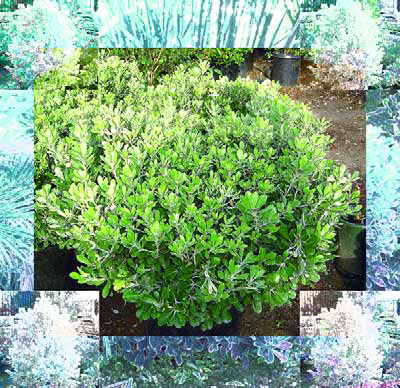
In looking back over several recent projects, I noticed that I've been using one particular genus of plants more frequently than just about any other. Its name probably evokes thoughts of petri dishes and bacterial colonies for most of us, but this plant genus - Pittosporum - has truly held an extremely valuable position in most of my plant palettes in recent years and is one of the most useful of all plant types I use. I find myself pointing them out every time I take clients to a nursery to view and select plants, and it seems I'm always trying to find ways to fit one or more of its many varieties into my planting plans. I treasure them for their great variety in
I know I've quoted or paraphrased Ernest Hemingway on this point before, but it bears repeating once again: Anything that was ever any good, you pay for. I'd go so far to say I've based my entire business philosophy on that basic idea. For one thing, there's an essential truth to what he's saying. For another, I see its clear application to watershaping on a variety of levels - particularly when it comes to the materials we use in creating our "art." Indeed, a huge part of giving clients the unique elegance and beauty they so often crave involves understanding and appreciating

Watershapers are still fairly easily divided into two groups, one with its origins in the landscape trades, the other hailing from the pool industry. For all the distinctions that might be drawn between them, however, watershapers of all stripes have one very important thing in common: We all work with the stuff we find under our feet on the job site - the stuff we generally call dirt or soil. Dirt is the more inclusive of the two terms, and unless the contractor is working with a tricky site or faces compaction issues, it is simply what is carted away or rearranged to make room for a watershape. By contrast, soil is a blanket term covering