








design approach

THE ESSENTIAL E-NEWSLETTER FOR WATERSHAPE DESIGNERS, ENGINEERS AND BUILDERS September 16, 2020 www.watershapes.com FEATURE ARTICLE…

‘In discussing coping and decking,’ noted David Tisherman in his February 2008 Details column, ‘ I invariably combine them because, in my view, they are truly inseparable: For a design to succeed, both must work together because they play such important roles in

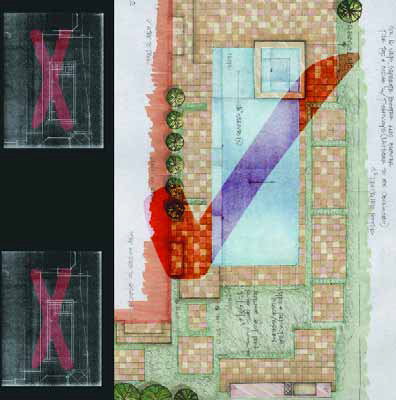
Practice makes perfect when it comes to developing the observational skills you need to support your design acumen. As I discussed last month, honing these abilities enables a designer to see individual and collective shapes within a garden setting in ways that can enhance the overall appearance of plant/hardscape combinations and turn them into cohesive and more compelling visual compositions. Among all of those artistic abilities is one specific skill that has served me best and will be my subject in this column: That is, the ability to determine the level of contrast my clients want to see in their garden spaces. As an artist, I've always been inspired by the areas in paintings that display the
Where you've come from often has everything to do with where you're going. As a case in point, let me describe a project that had its origins all the way back at the very start of my work as a watershaper. My pool industry career began soon after I graduated from college. At the time, I was living in a garage in a rough part of Los Angeles and really wasn't sure what I wanted to do. I had studied ancient history, three-dimensional design and industrial design and had been accepted as a PhD candidate in pharmacology at the University of the Pacific. I was convinced I wanted to be a designer, but I wasn't sure which field I should enter. Then one day, at a time when I was about as broke as an organ grinder without a monkey, I answered an ad in the newspaper looking for

One of the themes that weaves its way through a great many of the articles and columns we've run in WaterShapes through the years turns on the thought that watershape design
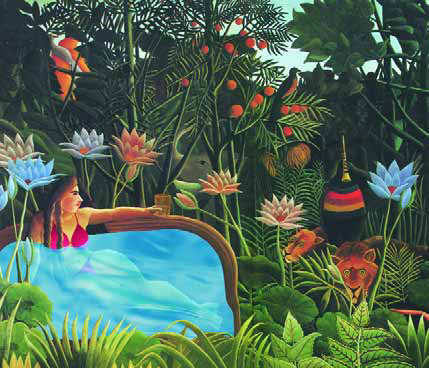
What makes for a great natural-style watershape? That's a huge question - one which a great many people have devoted their careers to exploring and for which almost every one of us will have a slightly different answer. As you will see here, my own response to the question starts with even more questions about the site, my clients and the surrounding structures and vegetation - questions I ask myself as I approach each individual design assignment and decide how far



In Search of Balance and Harmony