








decorative concrete

Concrete is amazing material. Its presence in the modern architectural landscape is so widespread and diverse, it can be easy to miss the masterful way it's been used both as a structural and aesthetic element. Here's an example of both, a modern classic Eric Herman discovered near his home in the California desert.
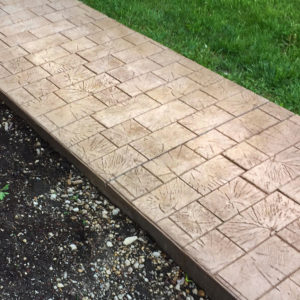
W.R. Meadows (Hampshire, IL) has released Decra-Seal Natural, a water-based, non-yellowing, low-VOC, matte-finish sealer that…
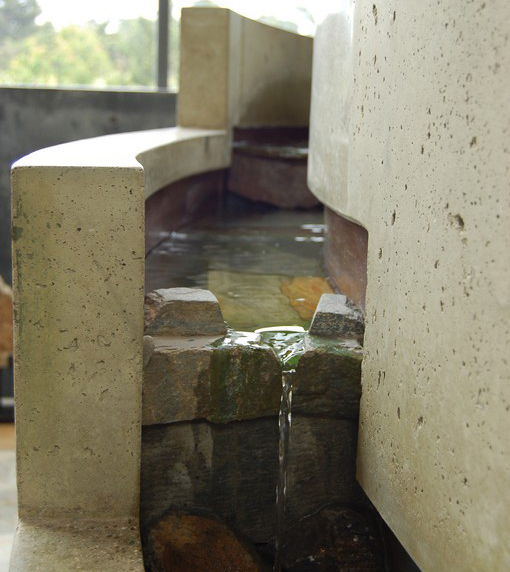
By Fu-Tung Cheng I’ve never been entirely comfortable with the term “decorative concrete.” To me, the pairing of the words has always implied that one merely applies material over a substrate in the way a baker might apply icing to decorate a cake. Instead, I see concrete as inherently profound. More than appliqué, it is a medium that has long been used functionally as well as expressively. In my own case, I feel far more creatively engaged in my work when I merge my thinking about those dual potentials of function and art. Historically, in fact, I believe that when the two become an inseparable one, we recognize and celebrate these works as rising to the level of great design. In my own case, I began using concrete as an expressive medium a few decades back, when I was among the pioneers in designing and installing concrete countertops in contemporary kitchens. As both designer and builder, by the year 2000 I had

Decorative-concrete artist Tommy T. Cook has built a reputation for being able to create almost anything from concrete using an array of highly refined and boldly artful processes. In this feature, he demonstrates a portion of that skill by describing how he uses the gargantuan Gunnera plant to craft watershapes in which replicas of the plant’s outsized leaves serve as uniquely natural fountain basins and spillways. Ask anyone who’s tried and it’s almost certain you’ll hear that replicating nature isn’t easy. That hasn’t stopped artists throughout history from trying, however, or from making natural forms an influential source of artistic imagination and ambition. The great thing about using nature for inspiration is that it’s all around us and all we need to do to draw on it is open our eyes, make good choices and decide how what we see can be used in our creative endeavors. In my case, I’d worked in decorative concrete for a long time before nature crawled under my skin. It began when

To excel as professionals, watershapers need to develop a good working knowledge of a range of technical disciplines – hydraulics, materials science and geology, for example – and know the ins and outs of structural, electrical and mechanical engineering. No single person needs to have certified expertise in all of those fields, but it’s becoming increasingly clear that anyone who enters the watershaping realm needs to be conversant in the mix of disciplines he or she must coordinate if the goal of
When a problem occurs with a recently installed decorative concrete job, who is responsible? I understand that this is a loaded question and that there are lots of factors to consider, but the question still stands. This spring, while dealing with a rash of
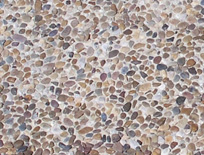
Traditionally, seeding was simple: It meant scattering pieces of rock into the surface of concrete, where they would give decorative flair to a slab. “Nowadays, seeding has taken on