








budget

‘One of the fascinating things about working with the different types of clients we encounter as watershapers,’ wrote Brian Van Bower in his July 2007 Aqua Culture column in WaterShapes, ‘is that we can never really know what to expect. ‘If my years of experience have taught me anything,’ he added, ‘it’s that perception is often very different

Putting a residential pool project out for bid can be a perilous undertaking for a property owner – especially when the home in question is new and architects or custom-home builders are involved in the process. Quite often, the architect or home builder will reach out to a local volume builder who, for free, will come in and provide a quote based on

I must say that I look forward to receiving my own copy of WaterShapes in the mail each month. It’s not because I can’t wait to see my own columns in print; rather, it’s because so I’m amazed and inspired by the work watershapers put on display here that I always devour each and every page. That’s not, by the way, anything I’d say about the rest of the 30-odd trade magazines I receive via mail or e-mail. WaterShapes always seems to deal with the best of the best, and reading about how these incredible projects come together is
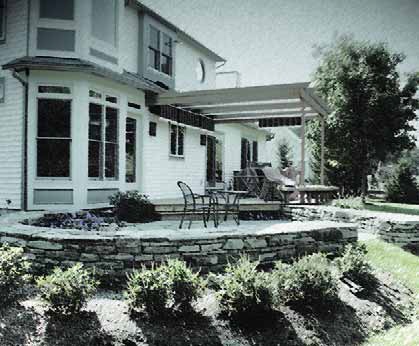
I've always believed that an unlimited budget is not essential to making design magic. While having clients with deep pockets and a willingness to dig deeply into them is always nice and allows us a bit more leeway when it comes to artistic license, I've always observed that having relatively few constraints also tends to make some designers creatively lazy. By contrast, I've often found small-budget, small-space projects to be creatively stimulating. A couple of columns ago, for example, I discussed a project we'd been working on that posed challenges with its sunken deck footings and the need to accomplish a lot with
I've always believed that an unlimited budget is not essential to making design magic. While having clients with deep pockets and a willingness to dig deeply into them is always nice and allows us a bit more leeway when it comes to artistic license, I've always observed that having relatively few constraints also tends to make some designers creatively lazy. By contrast, I've often found small-budget, small-space projects to be creatively stimulating. A couple of columns ago, for example, I discussed a project we'd been working on that posed challenges with its sunken deck footings and the need to accomplish a lot with

Lately I've been finding myself in what seems like a fairly unique position: On the one hand, I work as a design consultant for architects and as a designer for high-end customers; on the other, I work as a builder executing the designs that customers and their architects choose. In this dual capacity, I've been able to gather a tremendous amount of input from construction clients and transfer it in one form or another as a consultant. I also have had the opportunity of seeing how decisions made in the design process play out during the construction process. Seeing both sides has led me to certain conclusions, chief among them

One of the most critical moments in the life of any watershaper occurs when he or she meets prospective clients face to face for the first time. This is when jobs are won or lost - and, more significant, the point at which watershaper and clients begin what can become a long and fruitful relationship. I'll state right up front that I do not approach my initial customer meetings with the idea of walking out with a signed contract and a check. Instead, I go in trying to do what I can to help clients realize their dream of becoming owners of a quality watershape. Whether I end up