








emotion

Even though color is literally everywhere, most people know surprisingly little about it. That's a knowledge gap designers in particular should overcome, says artist, colorist and teacher Judith Corona, who adds that understanding the nature of color, how it influences moods and emotions and how a color wheel works are all useful when it comes to making valuable recommendations to clients about their watershapes and landscapes.
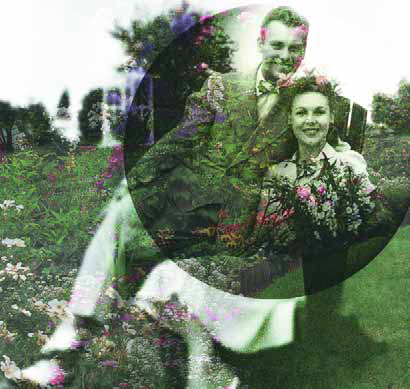
Please forgive me as I revisit themes from a couple of my past columns. One was written earlier this year on why we do what we do, while the other was published several years ago - back when I first began writing for WaterShapes - and was all about a subject dear to my heart: roses. Recent events in my family have given me time and the need to sort through the past, and the experience has deepened my appreciation of gardens, their emotional power and how they come to reflect our clients and ourselves. I'd like to share this process of discovery to define what I see as the essence of what we all try to do as professionals - and encourage all of you to

It's natural for me to wax poetic about my work. Gardening and garden designs are what I call my "magnificent obsession" - so much so that the other arts in which I have an interest and for which I even have talent will generally take a back seat. After more than 19 years as a professional landscape designer, I am still driven and excited by the challenge of creating comprehensive landscapes for my clients. I thrive on the complexity of organizing the myriad elements required to create outdoor spaces that function properly, are beautiful and harmonious to the eye - and even touch