








custom

In last month's "Detail," I discussed the beginning stages of a new project that has my partner Kevin Fleming and me pretty excited. At this point, the pool's been shot and we're moving along at a good pace. I'll pick up that project again in upcoming issues, but I've brought it up briefly here to launch into a discussion about something in our industry that mystifies me almost on a daily basis. So far, the work we've done on the oceanfront renovation project has been focused on a relatively narrow band of design considerations having to do with the watershape and its associated structures. This focus is

I want to clear up a misconception: Although the programs my colleagues and I stage through Genesis 3 are easily associated with the "high end" and the work of several people associated with our programs may be said to exist at the cutting edge of watershape design, it is simply untrue that we are promoting construction standards that somehow go above and beyond what the rank-and-file industry should be practicing. When we talk about watershape "design" and "construction," it's important to understand that although those two things go hand in hand, they are completely separate considerations. Design is what makes pools and spas either ordinary or extraordinary and is about materials selection, shape, color, elevations, lighting, water effects and location in a setting - basically a whole range of

For the most part, the designers and builders of pools, spas and other watershapes visualize their projects in full sun, install them during daylight hours and seldom (if ever) see them after the sun goes down. That's both a problem and a shame, and it's reflected in the fact that the run of projects you encounter by mainline pool-industry folks - and, to a lesser extent, by people from the landscape trades - tend to treat the lighting of exterior spaces as an afterthought if it's really thought about at all. In fact, I'll go so far as to say that
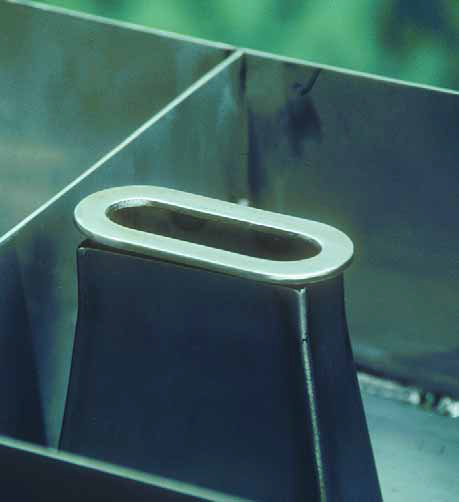
If you've been following this column for the past several issues, you already know a good bit about the magnificent (and magnificently difficult) project I completed late last year in the Malibu Colony. Many times in those columns, I mentioned (mostly in passing) a system of four deck-level laminar jets we planned on installing. As was the case with just about everything else on this project, incorporating the system of jets into the courtyard environment turned out to be far more complicated and challenging than we ever thought it would be. When all was said and done, however, we all agreed that meeting this particular challenge was

For years, we at Sunshine Pools & Spas have provided high-end, custom swimming pools to a mostly affluent clientele in and around our base in Kelowna, British Columbia. Unlike many readers of this magazine, however, we specialize in satisfying those clients with vinyl-liner rather than gunite or shotcrete pools. To be sure, pools and spas of any sort are not the first things that come to mind when you think about our area, which is closer to the Arctic Circle than it is to the Sunbelt. But many residents around here do enjoy the good life and want

Since time immemorial, humans have sought out warm water for purposes of pleasure, bathing, relaxation and healing. That's a great thing for modern watershapers, almost all of whom are steadily asked to design swimming pools with attached spas or to set up stand-alone inground spas or to find ways to make portable spas work as part of a landscape or deck setting. I'd argue that hot water is even more important to contemporary lifestyles than it was to the Assyrians, Greeks or Romans of antiquity, given the stresses of modern life and the fact that we seem to have more of the leisure time required to enjoy a

I'm amazed at how few watershapers keep the size and shape of the average body in mind or consider the science of ergonomics when they design projects for their clients. Just think about how much more we can do to increase their comfort and enjoyment by doing so, particularly when it comes to custom concrete spas. Take a look at the average spa attached to the typical pool: On a great many of them, you'll see a cantilevered deck around the edges. From the perspective of

No one ever said that change was easy. In our case, in fact, it's been a struggle every step of the way. But even though we're still in the middle the process, I can tell already that it's been worth it - and that the best is yet to come. Lipinski Pools, an offshoot of Lipinski Landscaping in Mt. Laurel, N.J., has worked with pools as part of the company's overall landscaping business for several years now. We started by acting as general contractors and farming out a lot of the work. Using that approach, we
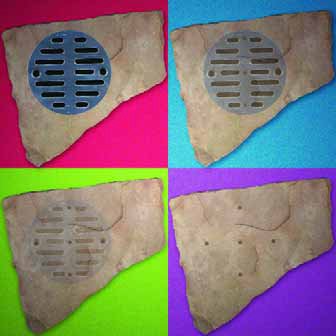
You'd think that having lousy-looking deck drains was inescapable, given that about 99.9% of them look like a thing you'd find in your shower. Whether you're using PVC or brass grates, they disrupt the surface of any decking material and to my way of thinking are an unnecessary eyesore - nearly criminal when they interrupt the look and texture of a beautiful expanse of stone. It just doesn't make any sense to draw that much attention to the drains. That's why I decided to develop a deck-drain detail that doesn't break up the visual lines of the deck. It's extremely simple - and it's something you can