








construction

When you design and build custom swimming pools for a living, I'd guess you're always thinking somewhere in the back of your mind about what your own pool would be like if you ever got the chance to build it. In my case, when I finally did have the opportunity to design and build one for my home, I knew it had to be a complete extension of my own design philosophy, standards of construction and product choices. That was a no-brainer. What surprised me was just how much excitement and pleasure I derived from the process of seeing my own backyard take shape. I had a pretty good idea of what I wanted going in. I've developed strong likes and dislikes through the years, and I knew with good degree of certainty that our pool would have a vanishing edge, an attached spa, interesting lighting and an array of beautiful finish materials. Even with all that in mind, however, landing on the perfect design that expressed all of those elements wasn't automatic by any means. As with any custom watershape, each facet of the project required consideration and a weighing of the options. This forced me to step back and decide what I thought was

For some time now, watershapers have exploited the fact that naturally occurring rocks and boulders can enhance the appearance of their work. Whether used in conjunction with artificial rock or alone, you appreciate the fact that rock comes in a never-ending variety of shapes, sizes and textures - and that they can be used to add both surprise and individuality to designs. For the most part, however, designers and builders have tended to work with common local stones - fieldstone, granite or river rock - that limit their palettes when it comes to color, visual appeal and expressiveness. It can indeed be an epiphany for those who've used common stones to come across material that includes complex mineral and crystalline structures or fascinating patterns of stratification that are the product of eons of metamorphic activity within the earth's crust. With this awareness comes the realization that the palette is virtually limitless and that rockwork can now easily be found to echo the colors and exceptional nuances found in

Ever since the hydraulic principles of ancient Persia were 'rediscovered' by Europeans during the Renaissance, the sky has literally been the limit for watershape designers. At the 17th-century Dutch Palace of Het Loo, for example, fountain jets that trace their developmental history at least as far back as 8th-century Persia make an emphatic statement about the power of those who commissioned them. We all marvel, and rightly so, at the waterfeatures of Renaissance Italy, the pools of Versailles in France, the fountains of the
There's much to be said about this brave, new world of watershaping we're in right now - and one of the things that's most abundantly clear is that clients expect more these days: What was "good enough" before just won't cut it, and to my way of thinking, that's a very good thing! One of the areas that most reflects this increase in expectations is the selection of the materials we use. More and more people I talk to around the country are now using things they wouldn't even have considered just five years ago - things that can add tremendous
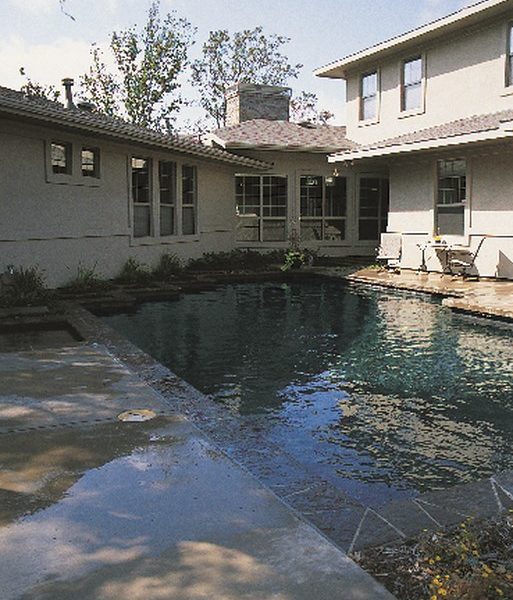
It's a basic and important idea: Quality and beauty can and should be provided across a wide range of pricing levels. In my work, I design and build many residential and commercial watershapes with budgets well into six figures; I also tackle many projects firmly planted in the five-figure range. No matter the budget, I believe strongly that I owe it to my clients to deliver a watershape of lasting beauty each and every time. Fact is, quality and artistry often can be achieved with a distinctly uncomplicated program. By bringing a watershape's design into harmony with the architecture of the home and/or other adjoining structures, it's often possible to enhance aesthetics and value without dramatically increasing the price tag. Take the project seen here as an example: Through careful placement and shaping of the vessel, artistic edge treatments and minor elevation changes - none of which added appreciably to the cost - I left my clients with a watershape they love at a price they could
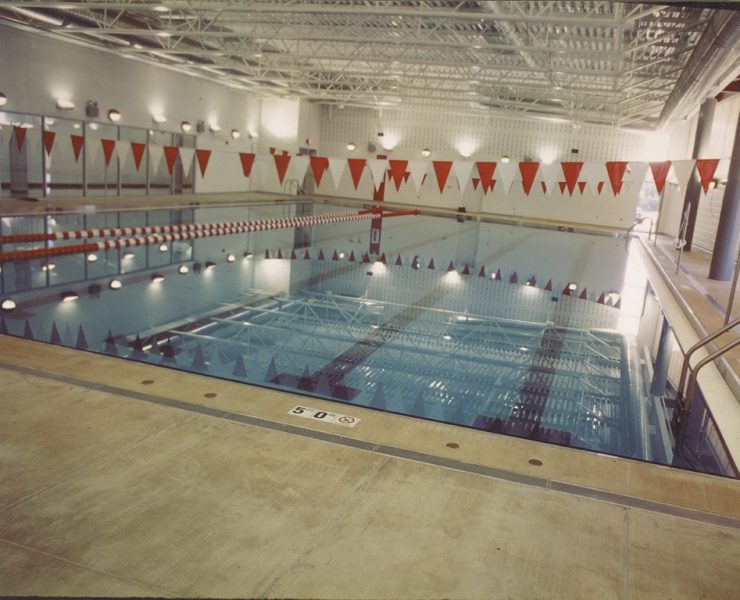
It used to be that competition pools were the sole province of big engineering/construction companies with their substantial assets, impressive inventories of equipment, huge labor forces and established skills in working with low-tolerance plans and specifications. The arrival on the scene of modular stainless steel pool systems has changed all that - and it's a good thing, because so many competition and training pools are being built today that there are not enough qualified construction companies of the traditional sort to get around to installing them all. This boom is a product of both the popularity of aquatic sports and the
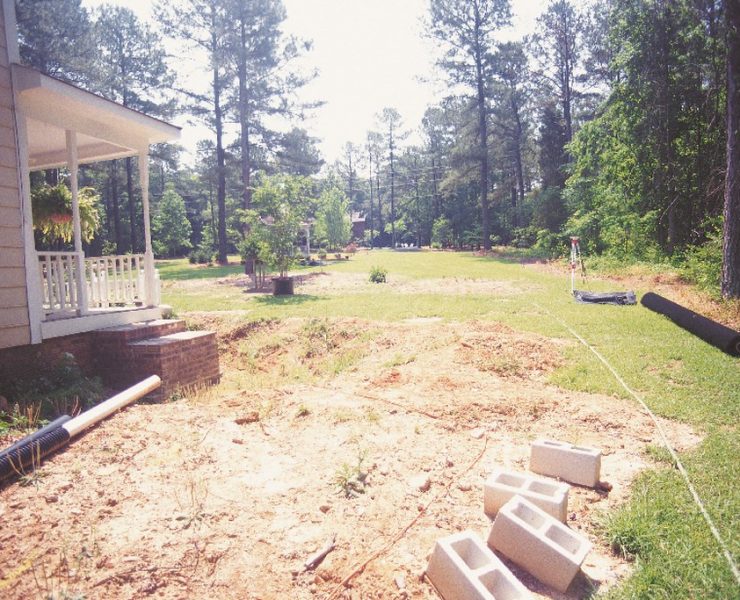
Building a stream that looks as though it was actually completed by Mother Nature is no small challenge. To make the illusion work, the watershaper quite literally "shapes" the basic elements of the stream - its path, width, depth, outcroppings, falls, transitions and plantings - all with an eye toward mimicking natural designs. To a large degree, the process is different from that of designing and building a pond, pool or fountain. In those cases, the watershape generally goes in the ground almost exactly where and how it's been drawn. With streams, however, the differences between
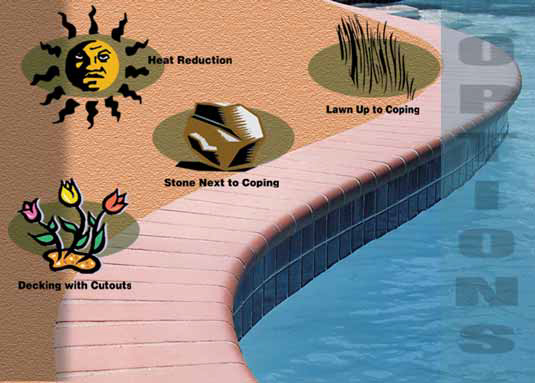
Your clients are thrilled with your pool design - with one exception. It may be set up to withstand a 9.0 earthquake, but with all that decking and concrete, it resembles a bomb shelter. Apparently while you were working with the client's desire for seismic durability in mind, you lost sight of their additional desire for soft, rolling meadows. I exaggerate here to make a point: Too many watershapers are reluctant to

What is good lake construction? What makes some pristine and beautiful while others seem fetid and slimy? To discover the answer to these and other questions, we need to start by defining what we mean by "lake." It may seem arbitrary, but the distinction can be an important one, especially to people who own them. You don't want to insult anyone by calling their lake a pond or lagoon, for example. By the same token, you don't want to seem ill-informed or unprofessional in referring to their waterfeature as a lake. Given the different

Watershapes come in lots of configurations and sizes, but when you get right down to it, they mostly share two basic materials of construction - concrete and steel - that in combination have the potential to withstand generations of use. Fashioning these structures is at the heart of what watershapers do: Every-thing else, from the plumbing or the plaster to the tile or the decking, is really secondary. Sure, the pool won't function without plumbing or look pretty without tile, but it wouldn't even exist without its skeleton of steel and its concrete flesh. For all that importance, however, most people tend to give the steel in particular little thought or care. It's invisible once the gunite is in place, so there's a tendency even among those who know better to blow it off and save a few bucks by using too little steel or by doing quick, sloppy work. And why should you care? No one will ever see what you've done, right? Actually, given the role that steel plays in the durability and viability of the concrete structure, this should be the last place to