








combinations

We live in a multi-dimensional world. Most people understand that space has three dimensions: height, width and depth. But relatively few people look at color in the same way - that is, as a three dimensional phenomenon. Understanding these three dimensions of color can become the key to unlocking your creativity as a designer. We began our study of color in LandShapes' May/June issue ("Designing in Color," click here), where we explored the scientific nature of color and its first dimension - hue, the name of a color (red, yellow, blue, orange, green or violet) - and learned that each hue has a temperature range (from warm to cool). We also learned that all six hues may be organized and better understood through the use of a helpful tool developed by color scientists called the color wheel. We will now continue our study of color by exploring the second and third dimensions of color and then by discussing contrast, analogous and complementary colors and color harmony. This will enable us to begin applying these fundamentals as landshapers and see in practical terms how understanding these fundamentals can help us become better

As the possibilities of learning more and creating unique gardens take hold, the give and take of landscape design can become a kind of addiction both for designer and client. I have experienced this phenomenon again and again, but only occasionally has it been as pronounced as in the case of the shade garden featured here: It's a wonderful example of how this constant drive to create new and beautiful plant combinations and visual planes can grip any landscape professional. A dedicated gardener, my client

The combination of water and plant material is so pervasive and obvious in natural and man-made settings that it's easy to take it for granted. In urban parks, rural settings and countless backyards, where one finds the blue, one also finds the green - and we all seem pre-wired
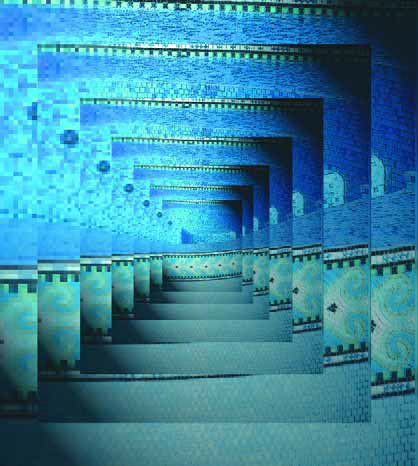
A great many wonderful things can be said about all-tile pool finishes once they're done, but you can't lose sight of the fact that that such finishes require lots of planning, are difficult to apply and, as your clients will tell you, are far from inexpensive. And by "far from inexpensive," I mean that the price tag will usually give pause even to people of great means. This is all especially true with glass tile, which is applied using different (and generally more complicated) techniques than is ceramic tile and costs proportionately more. But that cost brings with it a great and stunning beauty that



Wanted: Water Artists