


Wetlands: Importance and Preservation (Part I)
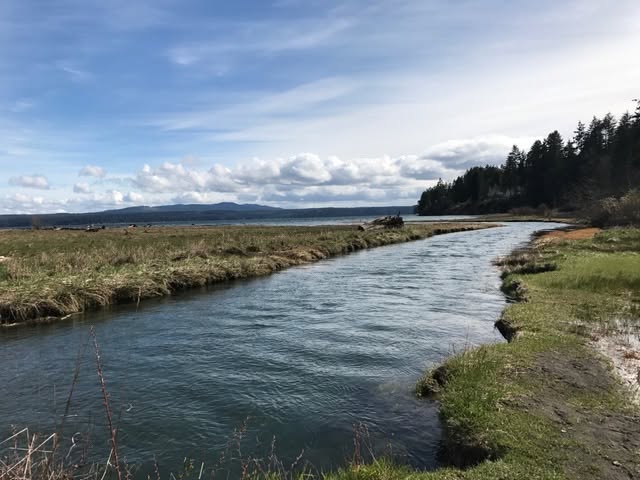
Among the most diverse and dynamic natural aquatic environments, wetlands play crucial roles in mitigating the effects of pollution while preserving delicate ecosystems for countless plant and animal species. From a watershaping perspective, wetlands are nature’s model for maintaining water quality and sustaining the unique beauty of places where water and land overlap.
By Eric Herman
Wetlands are among our planet’s most vital ecosystems. These transitional zones between terrestrial and aquatic environments serve a range of ecological, economic, and societal functions, and embody important lessons for manmade naturalistic watershapes.
Historically, wetlands have been devalued to the point of being drained to create expanses of buildable waterfront property. That shortsighted misuse is changing as the world grapples with unprecedented environmental challenges, including not only climate change but also pollution, ocean acidification and warming, and habitat destruction.
Here we’ll look at the importance of wetlands, the urgency of their preservation and the lessons they offer.
Key Functions
Understanding wetlands begins with the concept of watersheds, which are essential to the existence of all wetlands. In any given area, the local branch of the global hydrologic cycle is the watershed. It can be as vast as the area drained by the Columbia River or as small as the area around a small wetland.
Wetlands help regulate the quantity of water moving through a watershed by retaining water during wet periods and releasing it during dry periods. A watershed may have a few large wetlands, many smaller ones, or any combination that provides the necessary storage capacity. All wetlands, however small, are valuable both for their own intrinsic merits and for their contributions to their particular watershed.
Wetlands perform a dazzling array of ecological functions that we have only recently begun to appreciate. A century ago, the president of the American Health Association promoted the idea of a national campaign to eliminate wetlands as a way to mitigate diseases caused by waterborne pathogens. Today that concept has been completely rejected as scientists recognize the environmental benefits that wetlands provide, and they are now alerting us to the importance of preserving rather than eliminating our wetland resources.
Even now, our understanding of the complexities of wetland ecosystems is still developing, and it seems the more we learn, the more valuable wetlands become. Wetland benefits include: water purification, flood protection, shoreline stabilization, groundwater recharge, and streamflow maintenance. Wetlands also provide habitat for fish and wildlife species, including many endangered species. Not all wetlands provide all of these benefits, and each will have its own set of attributes and characteristics.
Protecting Water Quality
Wetlands protect water quality by trapping sediments and retaining excess nutrients and other pollutants such as heavy metals. These functions are especially important when a wetland is connected to groundwater or surface water sources (such as rivers and lakes) that are in turn used by humans for drinking, swimming, fishing, or other activities. These same functions are also critical to the fish and other wildlife that inhabit these waters.
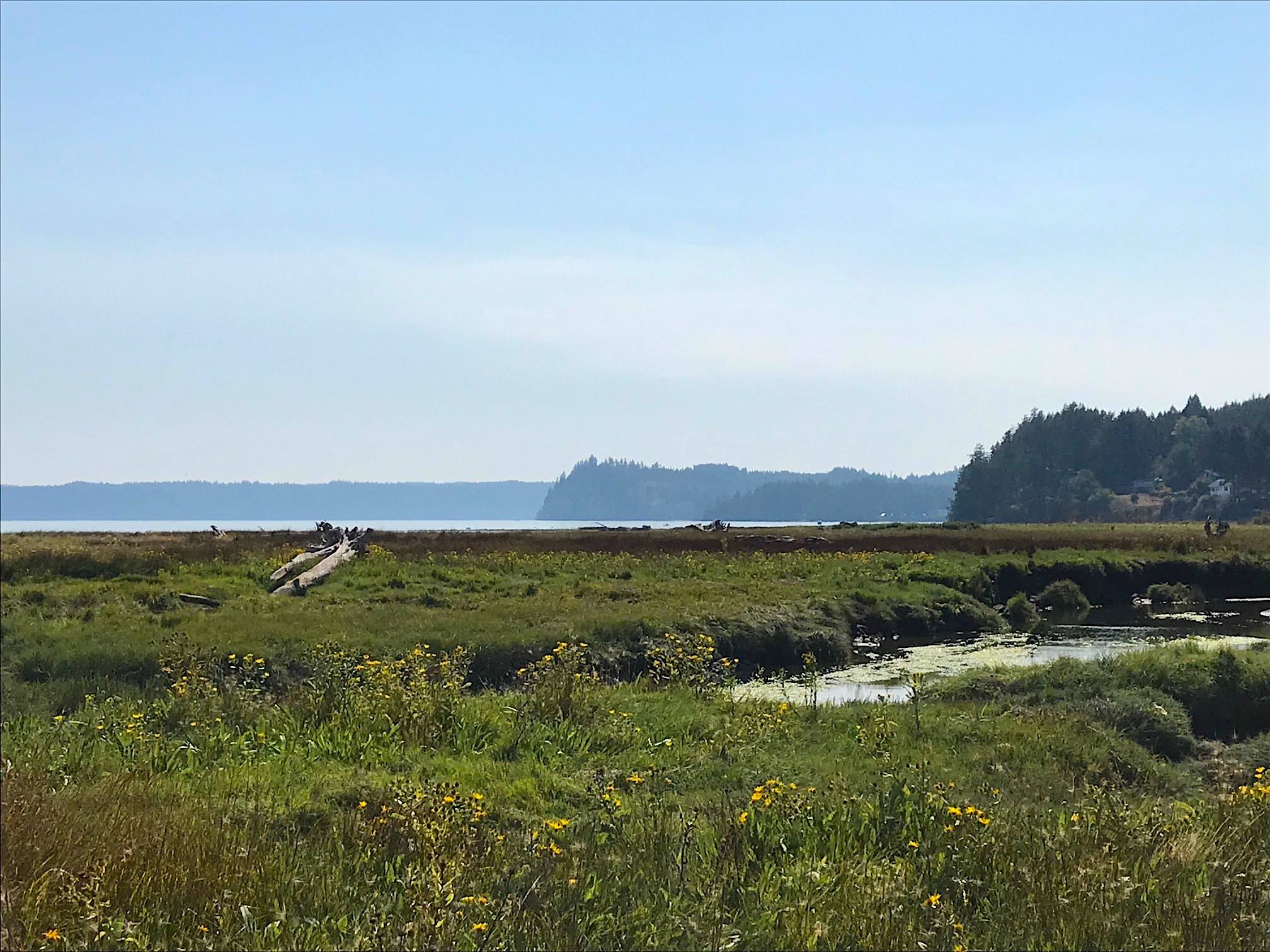
Sediments, nutrients, and toxic chemicals enter wetlands primarily by way of “runoff,” a familiar term describing the rain and stormwater that travels over land surfaces on its way to receiving waters. In urban areas, runoff may carry fertilizers and pesticides from lawns and gardens; moss killers from roofs; as well as motor oils, antifreeze, brake fluids, and other pollutants from houses, streets, and driveways. Runoff from rural areas may carry fertilizers and pesticides from fields; animal waste; and sediments from exposed soils and trampled stream banks.
Other pollutants — notably heavy metals — are often attached to sediments and present the potential for further water contamination. Wetlands remove these pollutants by trapping the sediments and holding them. The slow velocity of water in wetlands allows the sediments to settle to the bottom where wetland plants hold the accumulated sediments in place.
Runoff waters often carry nutrients that can cause water quality problems. A familiar example of such an occurrence is an algae bloom, a problem increasing in large bodies of water worldwide. Besides the aesthetic problems associated with algae blooms (often a green, smelly slime) they result in low oxygen levels. Oxygen depletion can result in the death of fish and other aquatic life. Some algae release toxins that can kill pets and livestock when bloom conditions occur.
Wetlands protect surface waters from the problems of nutrient overload that drives algae blooms by removing the excess nutrients by the well-documented process of chemical reuptake by wetland plants, and some chemical compounds are converted to less harmful forms in the soil. Toxic chemicals reach surface waters in the same way as nutrients, and can cause disease, death, or other problems upon exposure to plants and animals (including humans). In a function similar to nutrient removal, wetlands trap and bury these chemicals or may even convert some of them to less harmful forms.
Scientists are continuing to study what happens to toxic chemicals when they enter wetlands, and they warn us that even if the toxins are buried, they are still potentially dangerous. Disruptions of the wetland soils could release the toxins back into the aquatic environment.
Flood Protection: Almost any wetland can provide some measure of flood protection by holding the excess runoff after a storm, and then releasing it slowly. The size, shape, location, and soil type of a wetland determine its capacity to reduce local and downstream flooding.
While wetlands cannot prevent flooding, they do lower flood peaks by temporarily holding water and by slowing the water’s velocity. Wetland soil acts as a sponge, holding much more water than other soil types. Even isolated wetlands can reduce local flooding — if the wetlands were not there to hold stormwater runoff, backyards and basements might end up under water.
Shoreline Stabilization: Wetlands that occur along the shoreline of lakes or along the banks of rivers and streams help protect the shoreline soils from the erosive forces of waves and currents. The wetland plants act as a buffer zone by dissipating the water’s energy and providing stability by binding the soils with their extensive root systems.
Fish and Wildlife Habitat: Many species of birds, fish, mammals, reptiles, and amphibians rely on wetland habitat for breeding, foraging, and cover. The special wetland conditions provide unique habitat for species that cannot survive elsewhere. Many endangered and threatened animal species, such as salmon, require wetlands during part of their life cycle.
The incredibly high rate of wetlands loss has contributed to their demise. Wetland plants and small animals — especially insects — are essential links at the lowest levels of the food chain. A wetlands environment supports these plants and animals, which in turn support the larger animals that feed on them. While an otter or a trout may be a more attractive species to protect than some anonymous insect or plant, the latter are no less important in the overall scheme.
If we diminish the lowest levels of the food chain, the higher levels will suffer as well.

Dollars and Sense: The economic benefits associated with these environmental values of wetlands can be substantial. If, for example, a community had to build flood control or water treatment systems to replace those functions provided by wetlands, the costs could far outweigh the land purchase price of preserving the natural wetland systems. Similarly, when wetlands lose their value as fish habitat, this value is difficult to replace, and the consequent losses to the recreational and commercial fishing industries can be significant.
Wetlands Limitations
As amazing as wetlands are, and for all their ecological contributions, they do have their limits. A partially filled or otherwise damaged wetland will not meet its potential for flood control, shoreline stabilization, or groundwater recharge. A degraded wetland can lose its capacity to remove excess sediments, nutrients, and other pollutants, and can lose its habitat value for fish and wildlife.
Yes, wetlands may have tremendous capacities to provide environmental benefits, but they are not indestructible, and we’ve lost many that can never be replaced. If we want wetlands to continue to perform their ecological functions, then we have to do our part to protect them.
Photos by Eric Herman
In part II we’ll look at the relationship between people and wetlands.