








The Expanding World of Pool Inspections
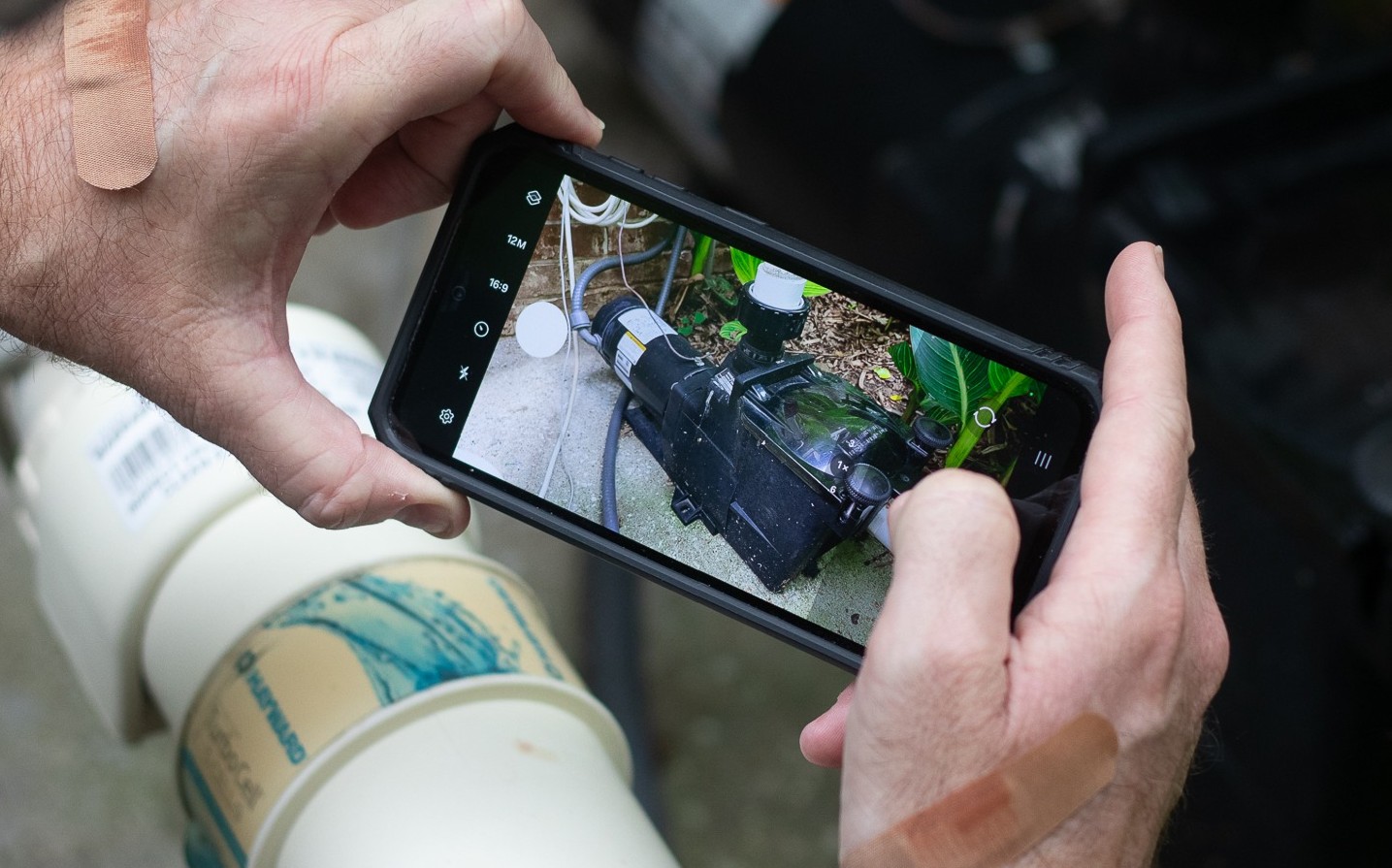
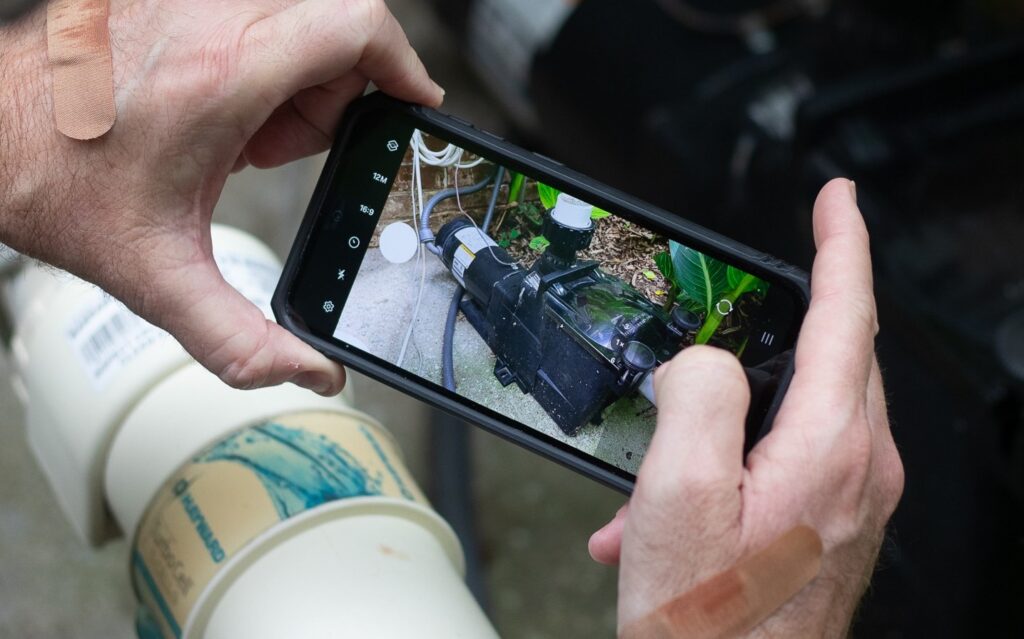
Swimming pools and other types of watershapes encompass a range of issues that are specific to structures that contain water. Inspecting them as part of real estate transactions, and for several other purposes, requires specific expertise and a systematized methods of recording and reporting inspection results.
By Dennis Boyd
When I first started looking at swimming pools for home inspectors, I never imagined it would evolve into an entirely new professional specialty. At the time, I was simply a longtime pool professional being asked by friends and associates in the home inspection business to take a look at swimming pools involved in real estate transactions.
“Can you come look at this pool?” was usually how the conversation started. Simple as that. What followed was the beginning of a journey that has transformed not only my own business, but also my understanding of where pool inspections fit within the broader watershaping industry, and within the real estate business.
Today, through Professional Pool Inspectors, we perform pool inspections for residential real estate transactions, and for other purposes. Along the way, we’ve developed inspection software, educational programs, and certification curricula designed to bring consistency and professionalism to a field that was once largely undefined.
Most importantly, we’ve witnessed firsthand how inspections are becoming an increasingly important part of the swimming pool industry’s future.
Looking for a Definition
One of the biggest challenges I encountered early on was figuring out exactly what a pool inspection was supposed to be. When I began performing inspections for home inspectors, there was no universally accepted protocol. Every inspector seemed to have a different approach. Some reports consisted of little more than a few handwritten notes. Others barely scratched the surface of the pool’s condition. Yet, buyers were relying on those reports to make significant financial decisions.
I quickly realized that if pool professionals were going to participate in real estate transactions, there had to be a more systematic way to evaluate and document what we found. That search led me through building codes, manufacturer specifications, electrical standards, safety regulations, and industry best practices. I spent countless hours studying the International Swimming Pool and Spa Code, National Electrical Code Article 680, Consumer Product Safety Commission guidelines, and other standards governing pool construction and operation.
My goal was simple: whenever I encountered a component during an inspection, I wanted to know whether there was an applicable standard and what that standard required. The result became the foundation of our inspection methodology.
Looking Beyond Real Estate
Although residential real estate inspections remain our largest market segment, they represent only one branch of a much larger inspection landscape.
As mentioned above, the reality is that inspections serve many different purposes. A safety inspection evaluates barriers, gates, entrapment protection, electrical systems, handrails, ladders, and other features designed to protect users. An energy audit examines equipment efficiency, hydraulic performance, pump operation, automation settings, and opportunities to reduce operating costs.
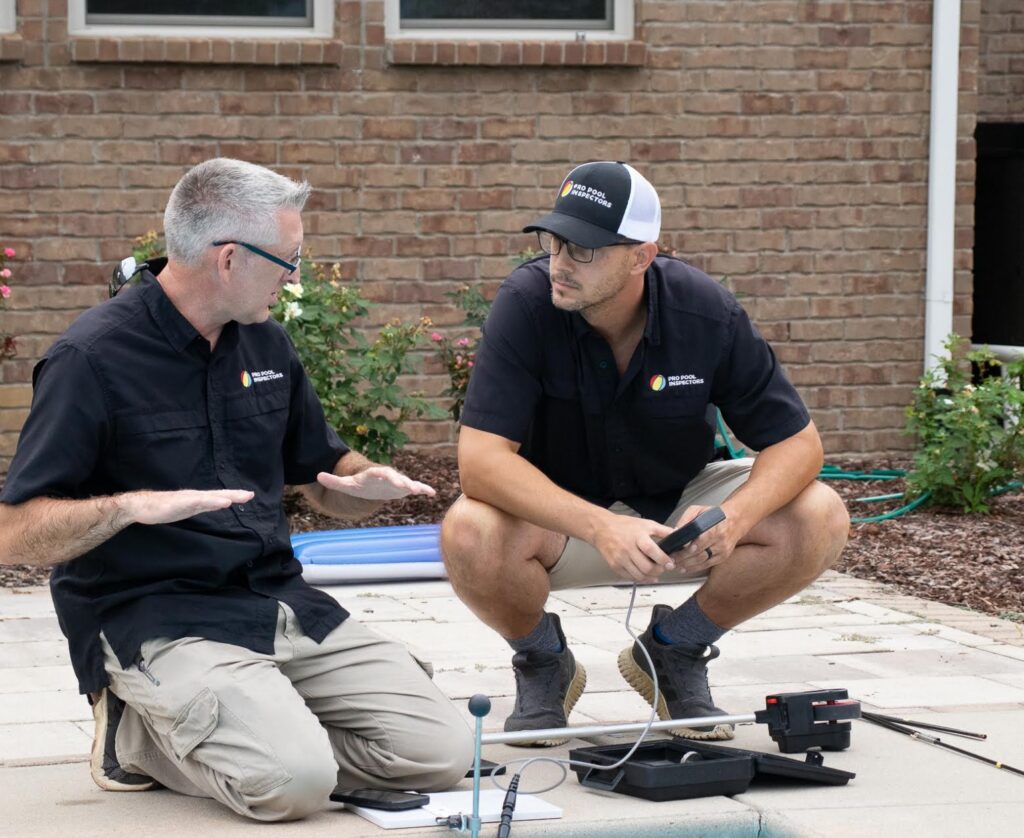
Construction inspections focus on workmanship, code compliance, material quality, engineering issues, and adherence to design specifications. Failure investigations seek answers when something has gone wrong. Structural cracking, plaster failures, leaking vessels, equipment malfunctions, and hydraulic deficiencies often require detailed analysis.
In recent years, expert witness work has become an increasingly important part of our business. Attorneys, insurance companies, property owners, and builders frequently need independent professional opinions when disputes arise.
Each type of inspection has its own objectives, methods, and reporting requirements. Understanding those differences is essential for anyone entering the inspection field.
A Better Reporting System
One of my earliest frustrations involved report writing. The inspections themselves were relatively straightforward based on my years of pool industry experience. Producing professional documentation was another matter entirely.
In the early days, I spent hours manually assembling reports. I was cutting and pasting photographs into spreadsheets, organizing notes, and trying to create something that would make sense to buyers, sellers, agents, and inspectors alike. It was incredibly time consuming.
After one particularly long evening building a report, I realized there had to be a better solution. I searched for inspection software but found that most available platforms were designed for multiple industries. One program advertised inspections for houses, boats, cars, and dozens of other applications. None seemed to reflect the specific needs of pool professionals.
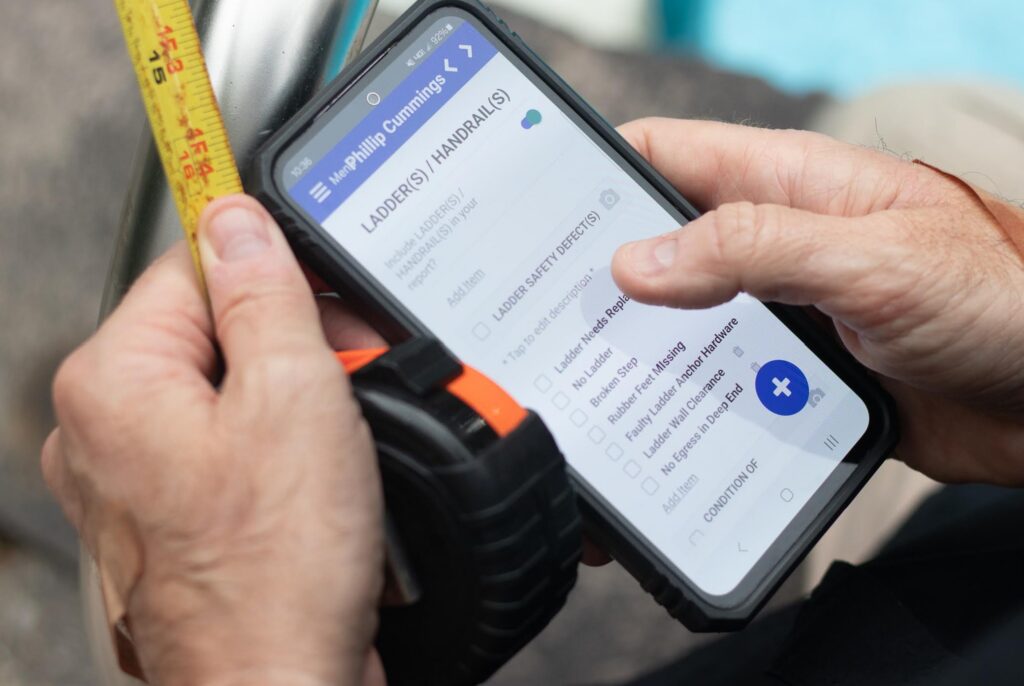
So, we decided to build our own. That decision launched a development process that ultimately lasted nearly a decade. Today, our inspection app contains thousands of customized inspection points developed from actual field experience.
Every time we encounter a new condition in the field, we have the ability to incorporate it into the software. The app continues to evolve because the pools we inspect continue to evolve. More than 1,200 copies of the application are now in use across the country, which tells me there was a genuine need for a dedicated pool inspection platform.
Every Pool Tells a Different Story
One lesson I learned early is that no two inspections are ever exactly alike. A swimming pool may appear perfectly functional at first glance, yet closer examination often reveals issues that may have gone unnoticed for years.
We routinely discover electrical deficiencies, aging equipment, improper installations, failed safety systems, leaking heat exchangers, worn salt systems, deteriorated surfaces, and hydraulic problems that would not be obvious to the average homeowner.
In many cases, these findings represent substantial future expenses. Our role is not to create problems, but to identify conditions that already exist. Sometimes that means delivering difficult news. When a one-year-old pool surface exhibits significant deterioration, or when major equipment components have reached the end of their service lives, buyers deserve to know before they complete the transaction.
We are not there to make deals happen or prevent them from happening. We are there to provide accurate information.
The Business Opportunity
For experienced pool builders, service technicians, and maintenance professionals, inspections represent a significant business opportunity. The skills required already exist within much of the industry. Pool professionals understand equipment, hydraulics, electrical systems, chemistry, safety requirements, and construction practices better than almost anyone else.
What many do not realize is how valuable that expertise can become when translated into professional inspection services. Real estate transactions provide one avenue for growth. Commercial assessments provide another.
Litigation support, insurance investigations, construction consulting, energy audits, and safety evaluations all create opportunities for knowledgeable professionals willing to develop specialized inspection skills.
The key is understanding that inspections require a different mindset than service or construction work. Inspectors must focus on observation, documentation, objectivity, and communication. The report becomes the product.
Managing Ethics and Expectations
One issue that frequently arises involves the relationship between inspections and repair work. In the home inspection industry, conflict-of-interest concerns have long been debated. Similar conversations are now occurring within the pool industry. My own solution was to separate inspection activities from service operations by creating an independent inspection company.
That distinction helped establish credibility and clarified our role in the transaction process. At the same time, there is an undeniable reality. Once buyers trust an inspector’s expertise, they naturally seek recommendations for repairs, upgrades, and maintenance. The business often follows the inspection process almost automatically.
The important consideration is maintaining transparency, avoiding undue influence, and ensuring that recommendations remain objective and professionally justified. Trust remains the most valuable asset an inspector possesses.
Reshaping the Industry
One of the most exciting aspects of inspections is how rapidly technology continues to change the swimming pool industry itself.
Automation systems are becoming increasingly sophisticated. Artificial intelligence is beginning to influence equipment operation, diagnostics, and customer interaction. Connected devices are changing how pools are monitored and controlled.
As inspectors, we must stay ahead of those developments. A modern inspection professional needs to understand variable-speed pumps, advanced automation systems, salt chlorination technologies, smart controls, energy management platforms, and emerging AI-driven products.
Tomorrow’s pools will not look exactly like today’s pools. That means tomorrow’s inspections cannot look exactly like today’s inspections either.

Looking Ahead
When I look at where pool inspections are headed, I see a profession that is still in its early stages of development.
Real estate inspections continue to grow. Commercial opportunities are expanding. Litigation and expert witness work are increasing. Insurance companies are seeking more specialized evaluations. Construction defect investigations are becoming more common. At the same time, educational standards and professional expectations continue to evolve.
What began for me as a simple request from a home inspector has become a full-fledged specialty within the swimming pool industry. The future of inspections will belong to professionals who combine technical expertise, continuing education, strong documentation practices, and a willingness to adapt as the industry changes.
Because no matter how advanced the technology becomes, every inspection still begins with the same question: What is really happening with this pool?
Finding that answer remains the inspector’s most important responsibility.
Dennis Boyd founded Pro Pool Inspectors and a mobile app to help systematize pool inspections for real estate transactions and more. He and his wife live in Tennessee, where Dennis conducts pool inspections every week, and drinks sweet tea every day. He has a Masters Degree in Education from Nazarene Theological Seminary (specializing in curriculum development), and a Medical Degree from Volunteer State College in Respiratory Therapy, and is a former licensed medical practitioner in Tennessee.