








techniques

& William Drakeley The years after the Second World War were times of opportunity and awkwardness in the shotcrete business. From 1920 until the early 1950s, the Cement Gun Co. owned the trademark to "gunite" and established an aggressive licensing/franchising system to maintain as much control as it could over the process and profit from it to the greatest possible degree. By 1952, however - and apparently with

In December 2010, WaterShapes published "How to Make Durable Pool Plaster," an article filled with what I knew about making reliable, discoloration-free pool plaster - including basic information about both proper and improper plastering practices. It should come as no surprise that, since then, research has continued and our understanding of issues involved in the proper mixing and application of these cementitious finishes has continued to grow. This article will cover these developments, discussing in greater detail the
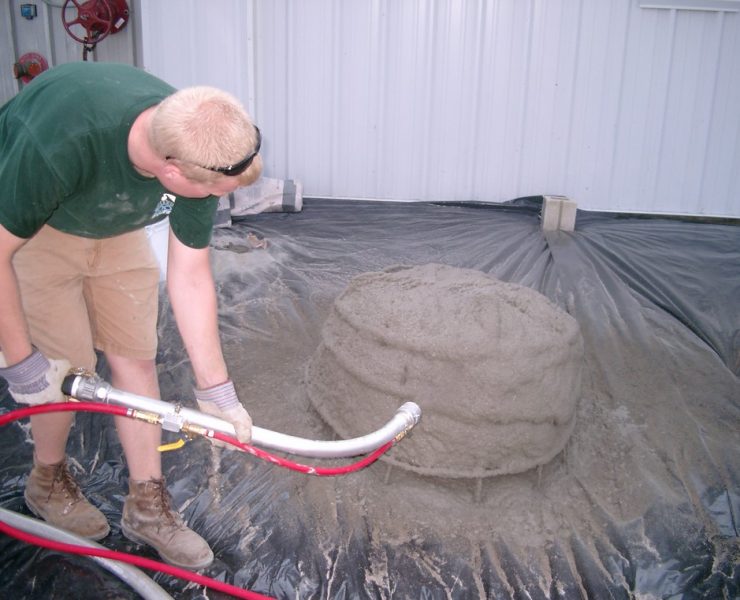
Quikspray (Port Clinton, OH) offers Carrousel Pumps for making artificial rockwork using various approaches –…
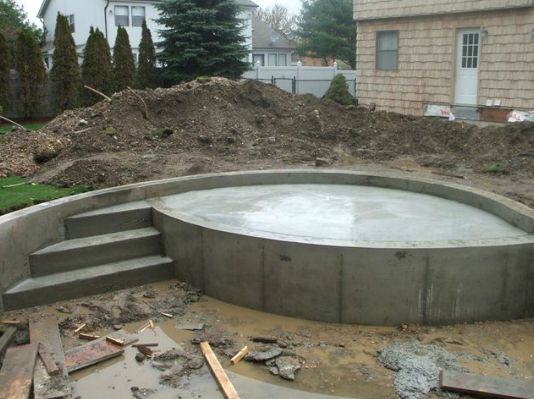
Frank Wall Enterprises (Columbus, MS) has printed brochures on its AquaForms aluminum pool forming system.…

The approach I took to this five-part series of articles on dry-stacked stone walls was a bit out of order – and I did it that way for a reason. If you’ll recall, in the last article I set aside any discussion of the drainage issues involved in stacking these walls. I did so both because it

Before I get to the meat of this series on using stone in landscapes and as part of aquatic environments, I must address an important concept having to do with how people have built with stone, both historically and in the here and now. The vast majority of stone walls and fences you see today – whether they were built 700 years ago or 70 – were