








suction
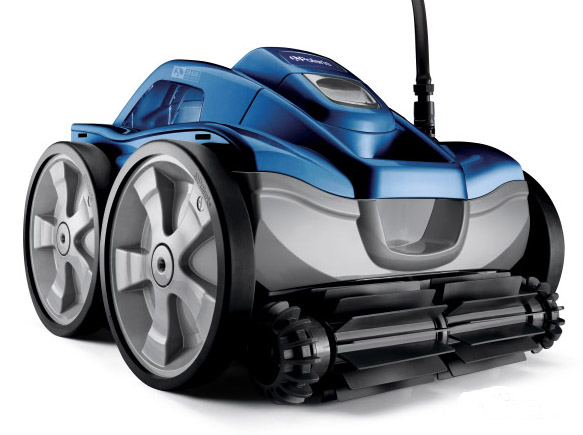
Zodiac Pool Systems (Carlsbad, CA) has launched the Polaris Quattro Sport, a four-wheel-drive, pressure-side pool…

Natare (Indianapolis, IN) offers a perimeter gutter/recirculation system for commercial swimming pools. The pre-engineered, self-contained…

It's one of the most horrific things that can happen to anyone who enters a pool or a spa: One moment you're having fun or relaxing, and in a terrible instant you're caught in a devastatingly painful and potentially fatal situation. Most people who become entrapped by pool, spa or wading-pool plumbing do survive, but all too often they suffer life-altering injuries. As with any aquatic safety issue, we all agree these incidents should be prevented, and a great many talented people from government, trade associations, research institutions, equipment manufacturers and consumer-safety groups have invested a tremendous amount of time in examining suction entrapment. For all of that effort, however, seeing our way to

Of all the concepts of hydraulic-system design, there are few that have more importance than the correlation between water flow (that is, capacity expressed as gallons per minute) and line velocity (the speed at which the water travels). As water travels through a pipe, its increase in speed (that is, its line velocity) results in an increase in resistance (expressed as feet of head) and in a reduction of end pressure, which is measured in pounds per square inch (psi). In other words, an increase in friction losses and a drop in pressure is the result of increased water velocity at a given flow. If that makes sense to you without further explanation, then you know much of what you need to know when it comes to selecting pipes and fittings and setting up a watershape's plumbing system. If it doesn't, this article will cover the basics - from selecting pipes and sizing lines to

Of all the features associated with inground swimming pools, attached spas almost certainly have the most complex designs. Achieving proper hydrotherapy-jet action requires the interweaving of air lines, water lines, fittings, jets and associated pumps, blowers and motors in a way that delivers results the customer wants and expects. And making mistakes is definitely costly: Once the plumbing is set in concrete, there's no easy way of turning back. The bottom line: You have to get it right the first time! Yes, you can adjust inground systems, but it usually involves ripping out expanses of decking and chunks of the spa shell at the very least - definitely not activities that breed customer satisfaction. It's a high-stakes game, but all too often I see pool builders take an ill-advised roll of the dice by not doing the work ahead of time to make sure the