








salt chlorination

CMP (Newnan, GA) has published its 2020 pool-product catalog. The 276-page digital document covers new…
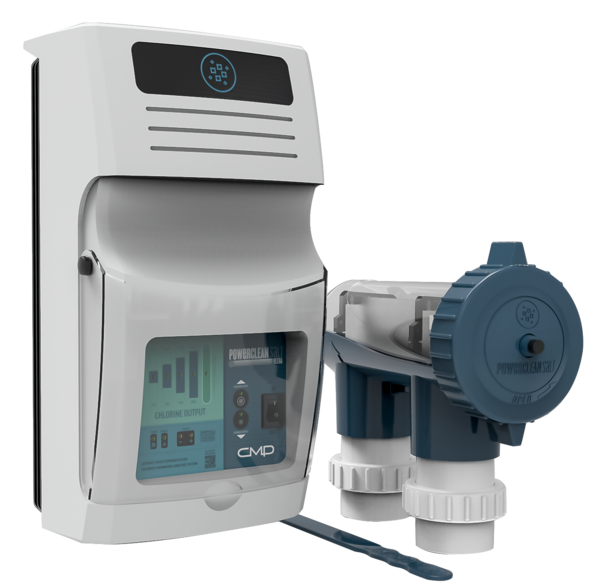
CMP (Newnan, GA) has introduced Powerclean Salt Ultra, a chlorinator that uses common salt to…
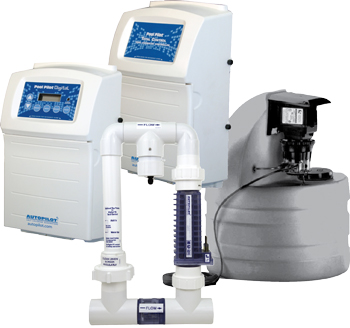
AutoPilot (St. Petersburg, FL) offers the Pool Pilot Total Control System as an accurate, reliable…

Pentair Commercial Aquatics (Sanford, NC) now offers a totally enclosed, fan-cooled (TEFC) motor with its…

In my work as a construction-defect expert witness, I've seen how damaging salty water can be to hardscape materials around pools and spas equipped with saltwater chlorination systems. It's so common that, personally, I now try to avoid using those devices on the watershapes I design and build. It's not that I think saltwater chlorination is intrinsically evil; instead, it's the fact I've seen so many different things go wrong with watershapes that have these systems that I decided some time ago that they weren't for me. It's often said that
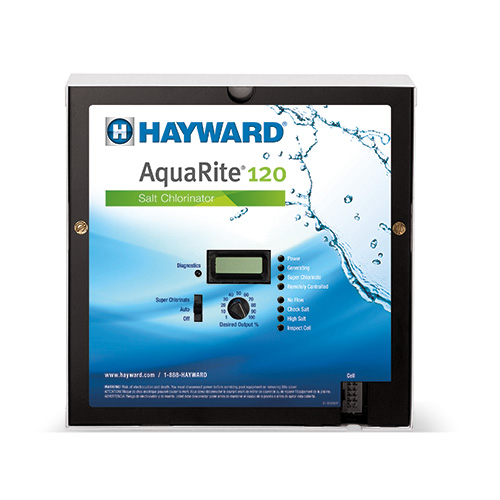
Hayward Pool Products (Elizabeth, NJ) has introduced AquaRite 120, a salt-chlorination system designed for addition…

Of all the decisions related to swimming pool projects, the one that tends to be the most difficult for average consumers to wrap their minds around has to do with selecting the sanitizing system. And that’s with good reason, because water treatment is a complex, science-laden topic that can involve a lifetime of study. As a result, I figured that a simple, direct approach would be best in

In 2002, only 15 percent of new pools were installed with saltwater chlorine generators. Today, the percentage is much higher, with some industry analysts saying that upwards of two-thirds of all new pools are being built with chlorine generators. Those exact figures may be debatable, but the fact remains that there are now an estimated 1.3 million saltwater pools in the United States. The reasons behind the boom are several, but consumers most consistently say they enjoy the soft, soothing feel of saltwater. They also appreciate the fact that it’s easier on their eyes, nose and skin compared with traditionally sanitized pools – and that they don’t have to store and handle hazardous chemicals, making maintenance both easier and more convenient. For all of the well-deserved popularity of this technology, pool designers and builders need to know