








positioning

How much do you know about springboards?
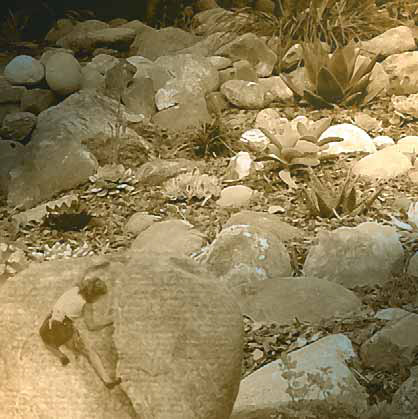
If I were to ask the average watershaper to name the most versatile element in any landscape, he or she would probably reply by talking about water or plants or some other equally prominent component. If you asked me the same question, however, I'd almost always say rocks. Some of you might be thinking I have a few too many of them rolling around loose in my head, but there's a good explanation for my response. First, rocks come in an infinite number of forms, shapes, compositions, colors, textures and sizes. Second, they can be used to sit on, walk on, retain hillsides or create small mounds. Third, they add dimension to designs and contribute in countless other ways to the

LeRoy, N.Y., is an historic village that's most famous (or most notorious?) for being the birthplace of Jell-O. Far more significant to me, however, is the fact that the town is filled with beautiful 19th-century homes that run the architectural gamut from Colonial to Italianate to Victorian in style. It's a beautiful place, and the site of one of my firm's most unusual projects in recent memory. The home featured in this article is a Second Empire Italianate estimated to be about 140 years old. It's a prime example of 19th-century craftsmanship, from the Mansard roof with its scrolled cornices to the drive-through porte-cochere and the wraparound porch with its beefy wood railings. It's definitely an architectural treasure, filled with the kinds of details that have been lost as far as today's custom-built homes are concerned. Mindful of those special touches, we set about designing a similar level of detail into the landscaping in creating gardens and watershapes that brought real tranquility to