








construction

In my experience, watershapers have a tendency to focus a bit too narrowly on one or another aspect of the craft - some on pools and spas, others on ponds or fountains. You get the idea: In speaking with clients, there's an inclination to play to one's strongest cards - and I think that can be

Many times in the past 15 years, articles published by WaterShapes have referred to water as "the main ingredient" when it comes to pools, spas, fountains, ponds and all of the other forms of contained, controlled water. I'm willing to accept that assertion and have probably offered it myself a time or two. Here, however, I want to
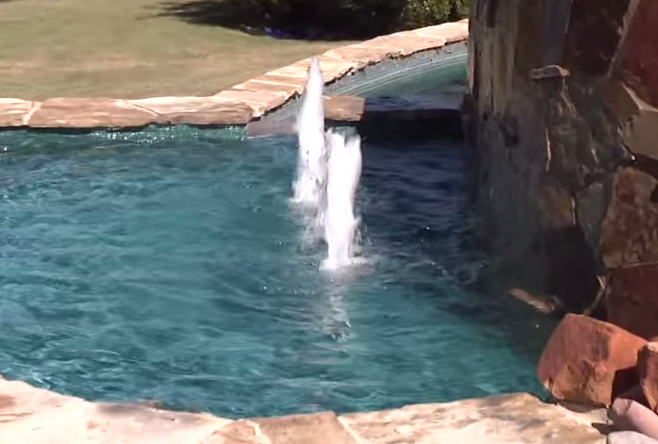
Lots of clients come to the design process for their watershapes with certain preconceptions. Sometimes, they even have full-fledged and dearly held visions of what they want. Every once in a while, that can be a good thing; other times, however, not so much. But what I try to do regardless, each and every time, is
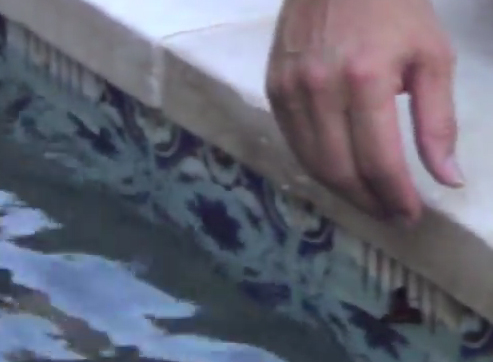
The trouble with conventional approaches is that they can take the creativity out of watershape designs. Almost always, for example, spas are placed directly adjacent to or within the walls of a swimming pool. For a couple generations now, this has led designers to specify open spillways to move water from the spa into the pool, thereby creating a single body of water so far as

When New York's Long Island comes up in conversation, most people think about the Hamptons, exclusive summer resorts, incredible estates and beaches by the mile. But that image has a flip side: For many years, in fact, Wyandanch, a hamlet within the town of Babylon, N.Y., has been a community that has had very little go its way, with poverty-stricken streets, gang activity and not much going on that would make its citizens hopeful about

When vinyl-liner pools first appeared more than half a century ago, they were offered as "standard" pools for middle-class consumers - plain, simple and relatively inexpensive compared to their concrete cousins. Back in the 1950s and '60s, these vinyl-liner packages had squared-off shapes, but as time passed and consumers demanded greater variety, models emerged with oval forms or Grecian-style ends; before long, there were kidney-shaped packages and even some