








Big Trouble with Harmful Algae
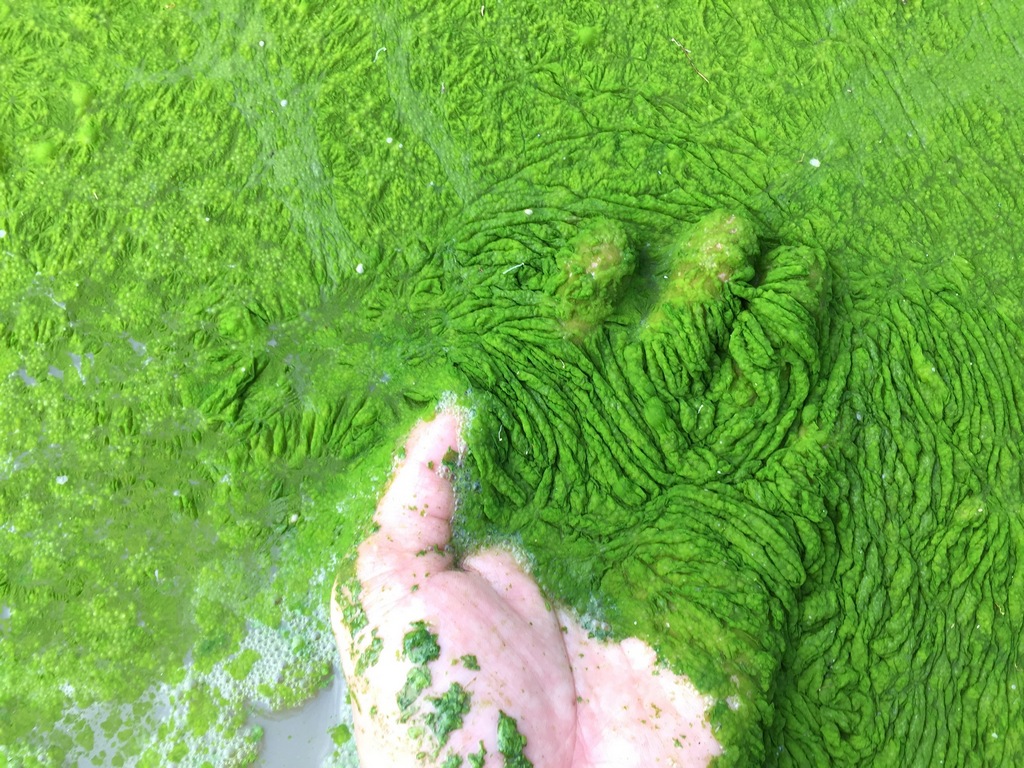
Confronting Harmful Algal Blooms have become a familiar part of aquatic life in lakes, reservoirs, rivers and oceanic estuaries. The problem has increased rapidly due to the point of impacting recreation, fishing, agriculture, and sometimes the water we drink.
By Eric Herman
For as long as people have built and maintained most any type of watershape—from koi ponds to swimming pools to massive reservoirs—algae has been an ever-present adversary. It clouds water, stains surfaces, and tests patience. Yet, on a small scale—say, a residential pool or ornamental pond—algae is typically more cosmetic than catastrophic.
It’s a nuisance, to be sure, but one that can be controlled using a combination of sanitizers, algaecides, filtration, and circulation.
In natural and larger man-made bodies of water such as reservoirs, lakes, wetlands, rivers, and coastal zones, the stakes are far higher. Algal blooms in these environments—particularly the increasingly common HABs—can be dangerous to human health, destructive to aquatic ecosystems, and in some cases threaten food supplies. It’s a costly problem for communities, industries, utility companies and local governments.
And, as climate patterns shift, agricultural runoff intensifies, and water temperatures climb, HABs are becoming more frequent, more severe, and harder to manage.
At this writing, as a big example, the State of California Water Quality Management Council reports over 200 HABs on-going in the state, a list that includes numerous popular tourist attractions, and bodies of water critical to the overall supply picture. In places impacted by drought, HABs become an even greater problem urgently in need of effective solutions. No matter the location, these explosive algal blooms have become an increasingly emergent problem.
CLOUDY WATERS
Finding solutions first means understanding the nature of beast. HABs occur when colonies of algae—especially cyanobacteria (more commonly known as blue-green algae)—grow out of control, producing toxins that can be harmful, even deadly, to both people and wildlife. The main drivers of this phenomenon are well understood: nutrient pollution, warmer temperatures, and hydrological changes linked to human activity.
The two primary nutrients responsible are nitrogen and phosphorus, often introduced into waterways through:
- Agricultural fertilizers and manure runoff
- Urban stormwater discharges
- Wastewater treatment effluent
- Industrial processes and spills
When these excess nutrients reach water bodies, especially during warm months, they can trigger explosive growth in algae populations. When the algae die, decomposition by bacteria consumes dissolved oxygen, leading to hypoxia—a condition of low oxygen levels that creates “dead zones” where aquatic life suffocates.
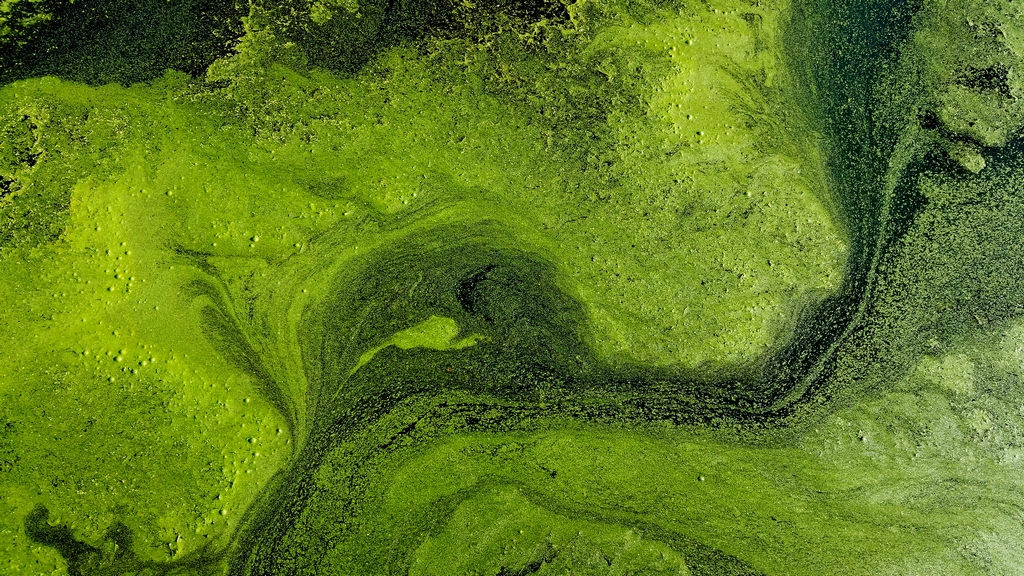
These dead zones are more than an ecological curiosity; they are signs of system-wide breakdowns in water quality. Among the most well-known examples are:
- Gulf of Mexico Dead Zone: Formed from nutrient-rich runoff delivered by the Mississippi River, this seasonal hypoxic area can stretch over 6,000 square miles.
- Baltic Sea: One of the largest human-induced dead zones in the world, exacerbated by nutrient pollution from densely populated and industrialized European countries.
- Chesapeake Bay: A complex estuarine system suffering from nutrient enrichment, altered flow patterns, and declining oxygen levels, resulting in regular fish kills and shellfish die-offs.
These events are costly. In the U.S. alone, HABs cause hundreds of millions of dollars in annual damages, including:
- Fishery losses
- Public health costs
- Drinking water treatment
- Tourism declines
- Aquaculture collapse
TOXIC RELATIONSHIPS
Among the most infamous HAB species is Microcystis aeruginosa, a cyanobacterium that produces the potent hepatotoxin microcystin. When ingested—whether via contaminated drinking water, fish tissue, or accidental ingestion during recreation—microcystins can cause liver damage, gastrointestinal illness, and in high enough concentrations, neurological effects.
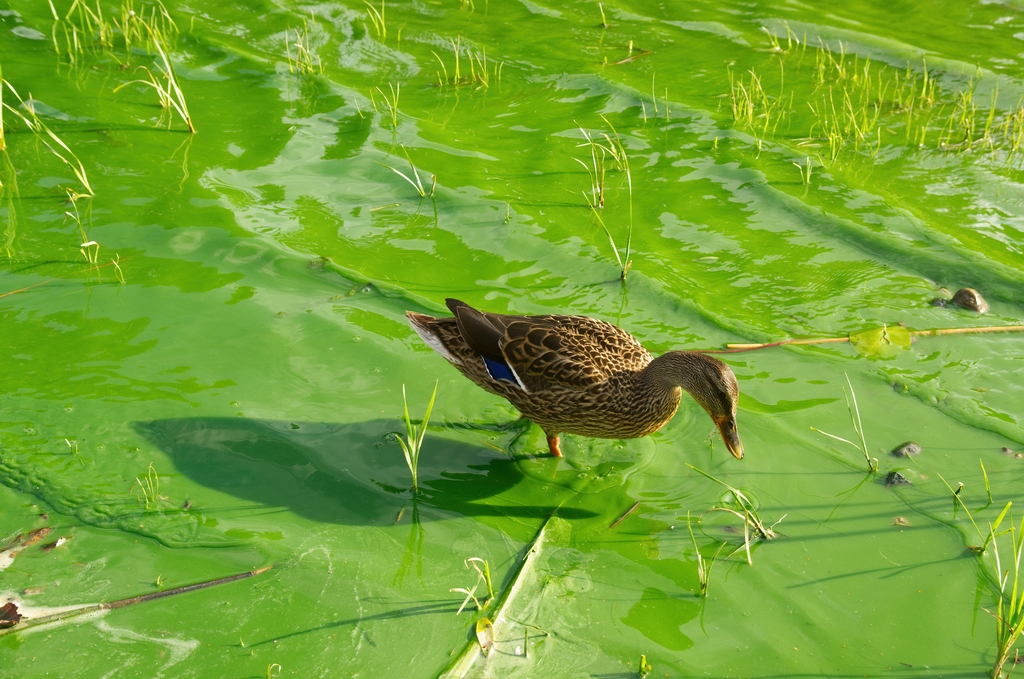
Animals are often the first to succumb. Dogs playing along shorelines, livestock drinking from affected troughs, and wildlife exposed to contaminated wetlands may die rapidly after exposure.
A stark reminder came in 2014, when a Microcystis bloom in Lake Erie contaminated the drinking water supply of Toledo, Ohio, leaving nearly half a million residents without potable water for days.
This and numerous other incidents of dangerous contamination beg the question about the chemical mechanisms that enable Microcystis’ talent hostile aquatic takeover. With that in mind, researchers at Cornell University have discovered that this invasive cyanobacterium speciesreleases chemical compounds—dubbed “antivitamins”—that mimic vitamin B₁ (thiamin). These fake vitamins sabotage competing algae by blocking their ability to use real thiamin, allowing Microcystis to flourish when rivals falter.
This possibly explains how toxic algae gain an edge in nutrient-rich, warming waters—environments becoming increasingly common as temperatures increase. Understanding this chemical warfare opens new avenues for HAB management. Targeting the antivitamins could help control blooms before they unleash their toxins.
MONITORING & MANAGEMENT
Federal and state agencies in the U.S., particularly the National Oceanic and Atmospheric Administration (NOAA), have ramped up HAB tracking programs using:
- Satellite-based remote sensing to detect surface blooms
- In situ sensors to measure chlorophyll, temperature, and dissolved oxygen
- Modeling tools to forecast bloom development and movement
These technologies provide vital early-warning systems, helping communities close beaches, warn the public, and prepare treatment protocols.
Historically, algae control has focused on chemical treatments—algicides, copper-based compounds, and peroxides being the most common. While effective, these options are costly, temporary, and ecologically risky if overused. They do little to address the underlying drivers of blooms and can disrupt non-target organisms.
Fortunately, modern research is opening doors to more sustainable strategies for both preventing and mitigating HABs:
Microbubble Aeration
Emerging as a promising tool, microbubble or nanobubble technology involves infusing water with ultra-fine oxygen or ozone bubbles that:
- Increase dissolved oxygen levels
- Disrupt algae cell membranes
- Enhance beneficial bacterial activity to outcompete HABs
These systems are already being piloted in golf course ponds, drinking water reservoirs, and wastewater lagoons with positive results in reducing both bloom intensity and duration.
Biomanipulation
Altering the structure of aquatic ecosystems—such as promoting filter-feeding organisms (like certain species of mussels) or restoring submerged vegetation—can naturally reduce nutrient levels and outcompete algae for light and resources.
Constructed Wetlands & Buffer Zones
Creating vegetative buffers or wetlands along agricultural zones intercepts and filters runoff, trapping nitrogen and phosphorus before it reaches open water. These nature-based solutions are low-tech, cost-effective, and provide additional habitat benefits.
Advanced Agricultural Practices
Precision farming techniques like variable rate fertilizer application, cover cropping, and no-till farming help minimize nutrient loss from fields. Targeted subsidies and education campaigns can help increase adoption of these conservation measures.
Phosphorus Binding Treatments
Products like aluminum sulfate (alum) or lanthanum-based compounds can be applied to bind phosphorus in sediment, reducing its availability to algae. While not new, these techniques are gaining renewed attention for lakes with chronic internal loading issues.
GROWING CONCERN
The trajectory of harmful algal blooms is not hopeful unless global and local action intensifies. With climate models projecting warmer and wetter conditions, HABs will likely increase in both frequency and severity.
While remediation remains a necessity in the short term, the long-term solution lies in prevention—especially in managing nutrient inputs. That means integrating water-sensitive design, inter-agency cooperation, and community-based water stewardship.
As an example, the City of Lake Elsinore, CA, desperate to find a solution to the HABs invading both Lake Elsinore and Nearby Canyon Lake, have implemented aggressive restrictions on sources of nutrient run off into the lakes. Officials in other impacted areas are moving in the same direction, despite pushback from local businesses and land owners that will be forced to find new ways to comply.
Similar struggles are taking place worldwide and are increasing in frequency. The BBC reports that Northern Ireland’s waterways are being inundated. HABs have been identified almost 100 times across region since the start of the year, with the majority of sightings in Lough Neagh, the UK’s largest freshwater lake.
For water professionals—whether managing pools, ponds, fountains, or constructed wetlands—understanding the science and dynamics of algae is more important than ever. From micro-scale systems to vast aquatic ecosystems, the challenge is complex, but so are the tools we now have to meet it.
After all, algae may be ancient—but our response to it need not be.
References:
Anderson DM, Fensin E, Gobler CJ, et al. Marine harmful algal blooms (HABs) in the United States: History, current status and future trends. Harmful Algae, 2021;102:101975.
Yu Z, Tang Y, Gobler CJ. Harmful algal blooms in China: History, recent expansion, current status, and future prospects. Harmful Algae, 2023;129:102499.
Brenckman CM, Jayalakshmamma MP, Pennock WH, et al. A Review of Harmful Algal Blooms: Causes, Effects, Monitoring, and Prevention Methods. Water, 2025;17(13):1980.
Ogden et al., Harmful Cyanobacterial Blooms: Biological Traits, Mechanisms, Risks, and Control Strategies. Annual Review of Environment and Resources, 2023;48:123
For further reading and technical resources on HAB detection, response, and mitigation, visit NOAA’s National Centers for Coastal Ocean Science (NCCOS) and the Environmental Protection Agency’s Nutrient Pollution Resources portal.