








Rise of the Plunge
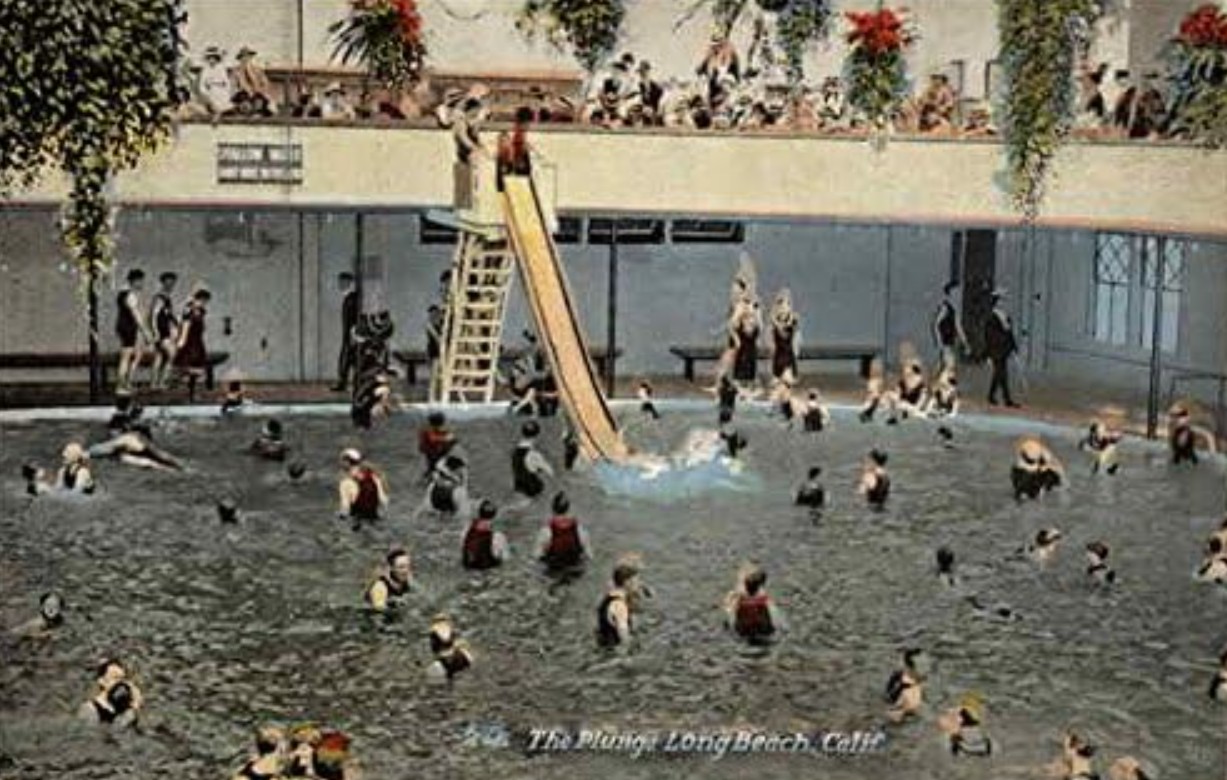
In the late 19th and early 20th centuries, as California reinvented itself as a land of health, leisure, and spectacle, a new aquatic building type emerged along its coastlines and growing inland cities: the plunge. In a time before the emergence of the backyard pool industry, the plunges were grand civic destinations, often enclosed, frequently ornate, and almost always tied to broader visions of social life and economic development.
By Eric Herman
I grew up in suburban Southern California, in and around the town of La Mirada, a quirky middleclass enclave about 20 miles southeast of LA. The community featured numerous parks and an array of activities for the population of restless kids.
One of La Mirada’s main attractions was The Plunge, a large public aquatic facility in the town’s massive Regional Park. It featured two austere Olympic sized pools, a high dive and little else. A setting that would be considered simplistic and even primitive by today’s standards.
Design-wise, the place would have fit well in a prison with its raw concrete structures and chain link fencing. The water quality was iffy, at best, the locker rooms, showers and bathrooms were dark, dank and disgusting. And the often-crowded conditions and rowdy behavior resulted in an environment that probably would make 21st Century safety advocates cringe.
But we had a great time, nonetheless.
Built in the 1950s, the La Mirada facility came along at the tail end of a trend in California that had been ongoing for nearly a century.
Large-Scale Fun
For decades, the California plunges served communities throughout the state, providing access to public swimming pools for generations of users. They fostered a love of aquatic recreation for an expanding middleclass long before backyard pools became common.
The lineage begins with bathhouses and lidos of the 19th century. At places like early Santa Monica, facilities offered private bathing rooms, steam baths, and eventually large communal pools filled with heated seawater. Santa Monica Bath House was among the earliest, quickly followed by more elaborate complexes that blurred the line between hygiene, recreation, and entertainment.
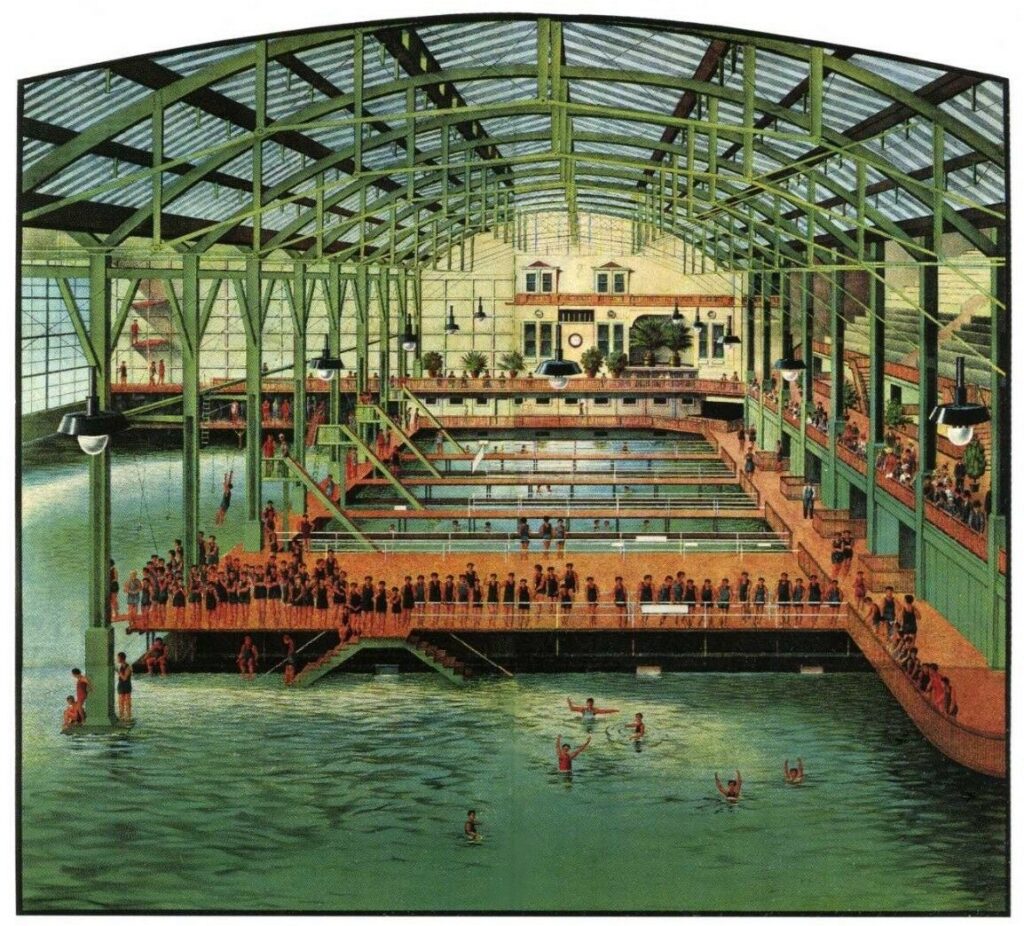
By the 1890s, the idea had evolved into something far more ambitious. In Northern California, the legendary Sutro Baths opened in 1894 as perhaps the most extravagant expression of the form: a glass-covered, multi-pool complex spanning three acres, designed to accommodate thousands at a time. Its creator envisioned not just a place to swim, but a democratic palace of water.
Meanwhile, in Southern California, plunges proliferated along the coast. From Santa Monica to Redondo Beach and Long Beach, they became anchors for seaside resorts and amusement zones. The Pike amusement park in Long Beach featured a grand plunge at its heart, drawing visitors arriving by electric rail.
This was not coincidence. The plunges served as valuable infrastructure for tourism.
Engineering the Experience
From a design standpoint, plunges were remarkable hybrids. They combined structural ambition with hydraulic ingenuity and sometimes theatrical flair. Many were enclosed natatoriums, featuring long-span trusses, clerestory windows, and balconies that turned swimmers into performers. At Miller-Leibbrandt Plunge, visitors swam beneath a flying trapeze, surrounded by palms, cafés, and observation decks.
Water systems were equally impressive. Coastal plunges often pumped seawater directly from the ocean, filtering and heating it before delivering it to massive basins. One Redondo Beach facility processed over a million gallons daily.
Elsewhere, geothermal sources fed mineral plunges such as Bimini Baths, where hot springs were harnessed for therapeutic bathing–very much feats of civil engineering wrapped in social architecture.
The Social Stage
More than anything, plunges were people places. They functioned as community living rooms, athletic facilities, dating venues, and spectator arenas all at once. Many included grandstands or viewing galleries, where visitors came not to swim but to watch. One Venice bathhouse even installed a glass wall, turning swimmers into what a contemporary guide called a “human aquarium.”
They also reflected the social realities of their time. While marketed as democratic spaces, many plunges enforced strict racial and class exclusions, particularly those operated privately or tied to resort developments.
Yet within those constraints, they played a formative role in public life. They taught generations to swim, hosted dances and civic events, and offered a controlled alternative to the unpredictable ocean. Facilities like Ventura’s bathhouse combined pools with ballrooms and auditoriums, creating year-round social hubs.
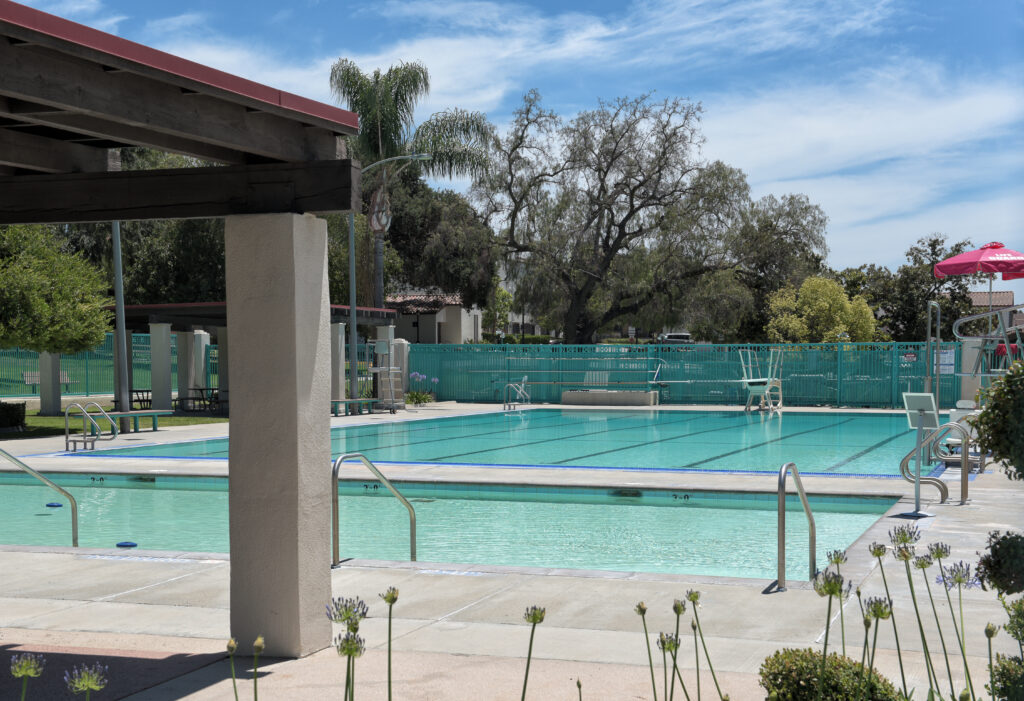
In inland communities, municipal plunges extended that legacy. The Brea Plunge, opened in 1930, becoming a civic institution where generations learned to swim and gathered each summer. The facility is still in use today.
Trendsetters in Water
Here’s a narrative-style rewrite suitable for a magazine feature:
The California plunge was more than a swimming pool. It was a cultural institution that foreshadowed many of the concepts that define modern aquatic design today. These grand facilities brought together recreation, fitness, entertainment, and spectacle in ways that were decades ahead of their time.
Many were strategically positioned near the shoreline, blurring the boundary between built environments and the natural beauty of the Pacific coast. Their operators embraced technological innovation, investing in large-scale filtration and heating systems that allowed thousands of bathers to enjoy clean, comfortable water.
Beyond swimming, the plunges functioned as destinations in their own right, often incorporating restaurants, retail shops, amusement attractions, and live entertainment, creating immersive social environments centered around water.
Perhaps their greatest legacy was cultural. The plunge helped transform public attitudes toward swimming itself. What had once been associated primarily with hygiene, exercise, or practical necessity evolved into an activity linked to leisure, self-expression, and social identity.
For generations of Californians, these facilities offered an opportunity to see and be seen, to gather with friends and family, and to experience water as a form of recreation and enjoyment. In doing so, the plunge helped redefine the role of aquatic environments in American life.
By the middle decades of the twentieth century, however, the heyday of the California plunge was drawing to a close. A combination of social, economic, and technological changes gradually eroded their popularity. The rapid growth of private backyard pools gave many families convenient access to swimming without the need to visit public facilities.
At the same time, changing beach culture encouraged greater interest in open-ocean recreation, making the enclosed environment of the plunge seem less appealing to a new generation of swimmers. The facilities themselves presented mounting challenges, as aging structures demanded costly maintenance and repairs.
Following World War II, Americans also found an expanding array of entertainment options competing for their leisure time. As attendance declined and operating costs rose, many of California’s once-celebrated plunges closed their doors, leaving behind only fragments of a remarkable chapter in the state’s aquatic history.
Eventual Decline
Even the grandest facilities could not withstand the change. The Redondo plunge closed in 1941. Others were demolished, repurposed, or simply abandoned. The ruins of Sutro Baths remain as a haunting reminder of what was once a cathedral of water.
And yet, the plunge never entirely disappeared. A handful endure, often restored or reimagined: For example, the Brea Plunge in Orange Co, south east of LA, continues to operate as one of Southern California’s oldest public pools. Community facilities like the El Segundo Plunge carry forward the name and civic function, even as their architecture evolves.
What survives is less the form than the idea. Today’s aquatic centers, resort pools, and even the renewed fascination with cold plunges and hydrotherapy all echo this earlier tradition. The integration of water, wellness, and social experience that defines modern aquatic design has deep roots in these early structures.
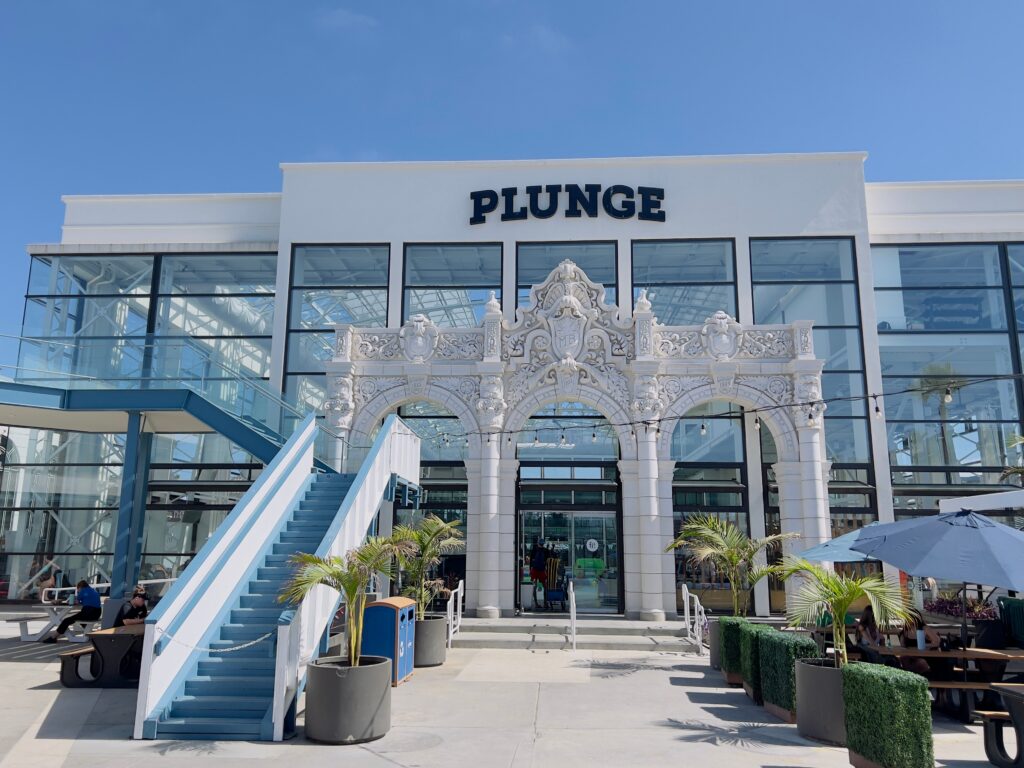
A Lasting Impression
The California plunges provided access to water in a curated, communal way. The facilities were spectacles and emphasized safety, health and leisure, engineering and architecture working together to shape human experience.
Most are gone now, lost to time, economics, and changing tastes. But their influence remains, embedded in every public pool that aspires to be more than a vessel of water. They remind us that water, when thoughtfully shaped, becomes something larger than itself.
It becomes a place where a culture gathers—and, for a moment, immerses itself in a shared idea of life.
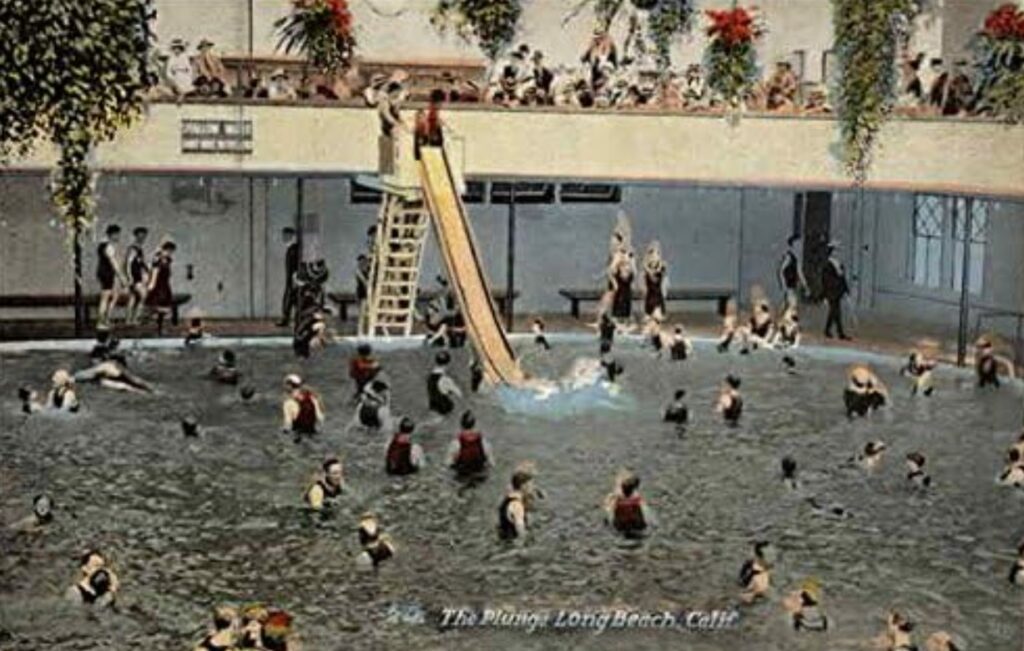
Opening image, vintage postcard, circa. 1905, Long Beach Plunge, originally published by M Kashower Co., public domain; Sutro Bath image | National Park Service; Brea Plunge photo by Steve Cukrov | Stutterstock; Bottom photo by ZikG | Shutterstock.