








Are Waterparks Just Getting Started?
Although they’ve been around for decades, waterparks remain a dynamic and innovative industry focused on delivering a spectrum of aquatic experiences to consumers of all ages. After more than 25 years in the business, Craig Nielsen has had a front-row seat to the evolution, and he’s says with confidence, waterparks are only at the beginning.
By Craig Nielsen
I’ve spent my career in commercial aquatics, most recently serving as CEO of CEM Aquatics before our transition into Landmark Aquatic. Along the way, I’ve had the opportunity to design, build, renovate, and even co-own waterparks. That perspective, from the ground up to the ownership level, has given me a clear view of how far this industry has come, and where it’s headed.
When I think about waterparks today, I don’t see a mature industry slowing down. Instead, I see a story that’s still unfolding. When we were first getting started, none of us could have predicted how central waterparks would become to family recreation and destination travel. Today, the momentum is undeniable, and what lies ahead is even more exciting.
Looking Back
In the early 2000s, the waterpark model was straightforward and remarkably consistent. You had your mix of body slides and tube slides, a lazy river, maybe a wave pool. Food service was simple. A snack bar, perhaps a small restaurant, and a gift shop rounded out the experience. Most parks operated seasonally, opening around Memorial Day and closing after Labor Day.
Revenue streams were equally simple. Admissions drove the business, with secondary spending on food and merchandise. From a technical standpoint, operations were relatively uncomplicated. The most advanced system on site was often the chemical controller in the pump room.
What has changed since then is not just the scale, but the complexity. Today’s waterparks are layered, sophisticated environments that blend hospitality, technology, and entertainment in ways we simply didn’t see coming.
One of the most important turning points was the emergence of the indoor waterpark resort. The concept reshaped the business by eliminating one of its biggest constraints: seasonality.
When Great Wolf Lodge began pairing large-scale indoor water attractions with hotel accommodations, it flipped the model. The waterpark was no longer an amenity. It became the primary draw. Instead of operating 90 days a year, these properties could generate revenue every day of the calendar.
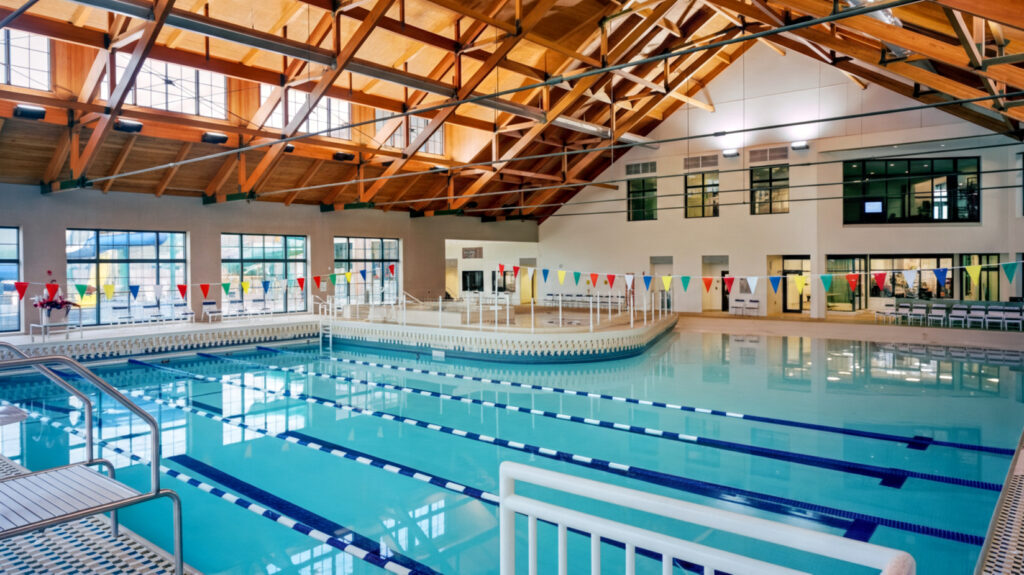
That shift changed everything. It proved that water-based entertainment could anchor a year-round business and opened the door for broader investment across the hospitality sector.
Who Is Building Waterparks Today?
Once that model took hold, growth accelerated quickly. Today, nearly every major hospitality brand recognizes the value waterparks bring. They attract families, extend guest stays, and create experiences that are difficult to replicate elsewhere.
We’re seeing expansion from every direction. Traditional amusement operators continue to invest heavily in water attractions. Hospitality brands are integrating waterparks into resort properties as a competitive necessity in the family travel market. From my perspective, having co-owned parks in Southern Nevada, I can say firsthand that guests are increasingly choosing destinations based on the quality of the water experience.
Expectations have changed. Visitors want more than slides and pools. They’re looking for immersive environments, interactive features, and signature attractions that define a property. Developers are responding with surf pools, themed environments, and highly programmed guest experiences.
Beyond resorts, water is becoming a central feature in mixed-use development. Large-scale lagoons, surf parks, and aquatic amenities are anchoring residential communities and entertainment districts. These projects recognize something fundamental: water draws people in and keeps them engaged.
The same realization is taking hold in the gaming and cruise industries. Casinos are using water attractions to broaden their appeal and increase occupancy, particularly among families. Cruise lines are extending the experience to private island destinations, where waterparks and lagoons become the centerpiece of a full-day excursion.
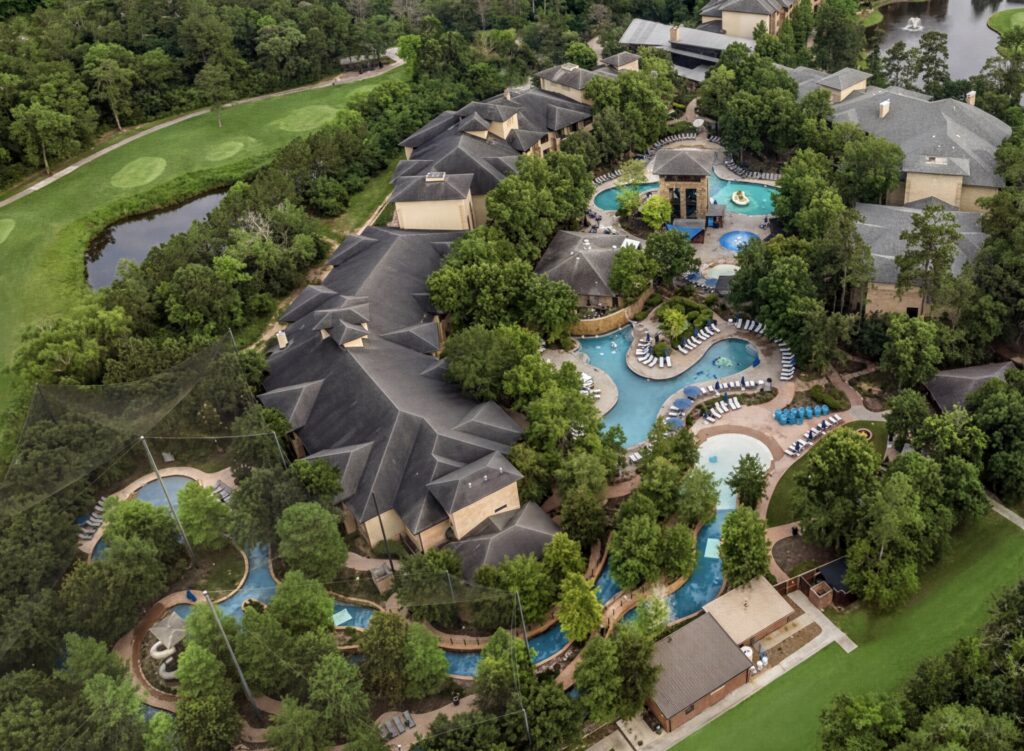
From where I sit, the takeaway is clear. The secret is out. Waterparks work. And because they work, everyone wants in. That creates competition, but it also drives innovation, and that’s a good thing for the industry.
Surf, Rivers and AI
Looking ahead, some of the most exciting developments are happening in three areas: surf, river experiences, and artificial intelligence.
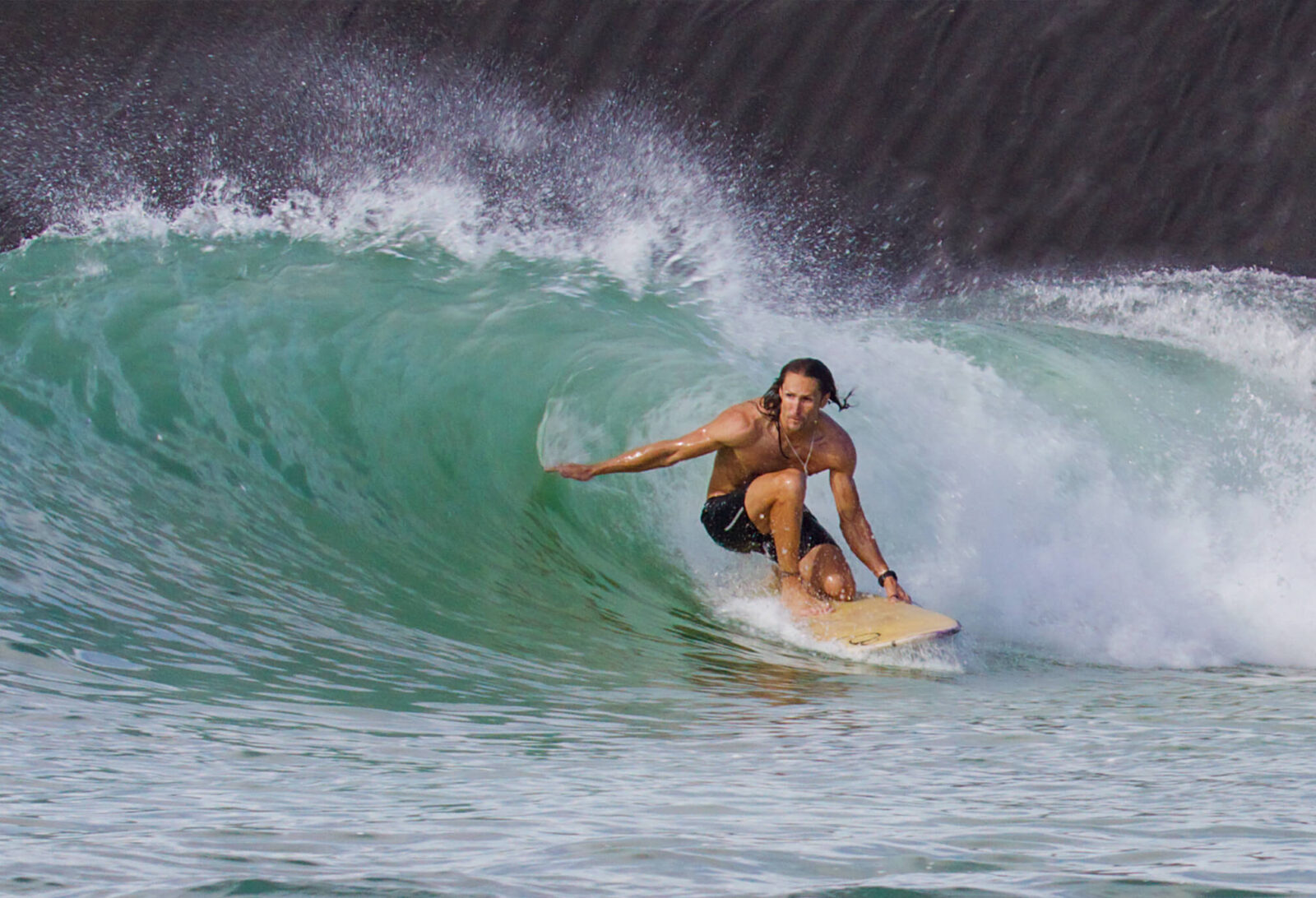
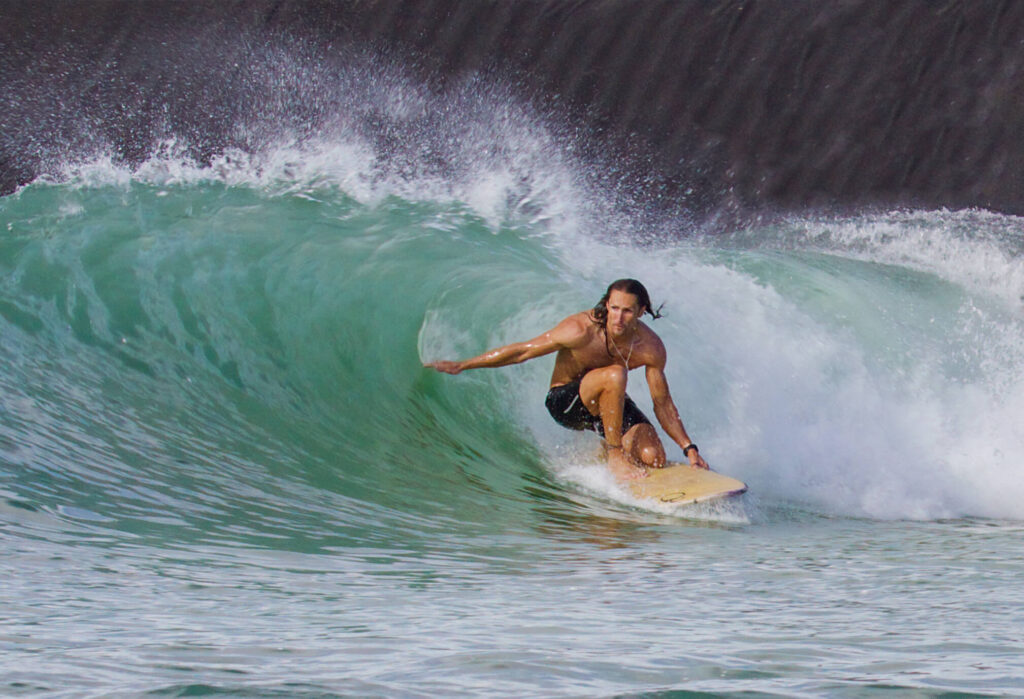
Surf technology has advanced to the point where we can now create authentic, rideable waves in controlled environments. That opens the door to entirely new guest segments, from experienced surfers to first-timers who have never seen the ocean. In many ways, surf parks today remind me of where indoor waterparks were two decades ago. The operators who embrace this technology early will have a meaningful advantage.
Rivers have evolved as well. What was once a passive float has become an active adventure. Today’s river systems incorporate currents, rapids, wave action, and interactive elements that turn a simple ride into a repeatable attraction. Guests don’t just float once. They come back again and again.
Then there’s AI, which is quietly transforming both operations and guest engagement. On the operational side, we’re seeing smarter control of water chemistry, filtration, and energy use. These systems improve efficiency and consistency in ways that matter every day.
On the guest side, the possibilities are just beginning to unfold. Interactive attractions that track performance, gamify the experience, and reward participation are already emerging. These features add a new layer of engagement, especially for younger guests, and create shareable moments that extend the experience beyond the park itself.
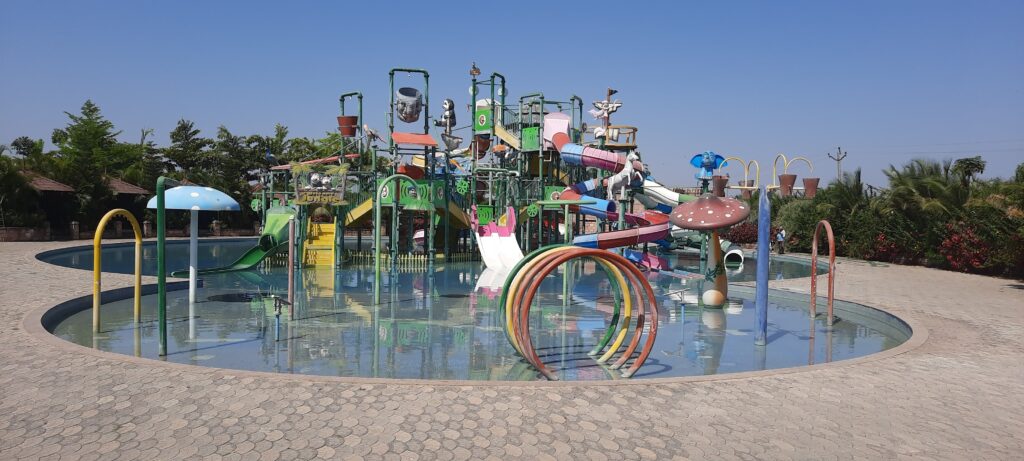
On the Rise
Water has always held a unique place in human experience. It relaxes us, excites us, and brings people together. At its core, this industry is about delivering that connection in a safe, accessible, and memorable way.
When I look back at where we started, with a handful of slides and simple amenities, and compare it to where we are now, the transformation is remarkable. But what excites me most is not the progress behind us. It’s the convergence happening right now.
We’re seeing advances in technology, increased investment, and a growing appetite for water-based experiences all coming together at once. The barriers that once limited this industry are falling away.
After 25 years, I can say this with conviction. The wave is still building. And the future for waterparks has never looked brighter.
Craig Nielsen is vice president of strategic Partnerships at Landmark Aquatic and a former CEO of CEM Aquatics, where he spent more than 25 years leading the design, construction, and renovation of aquatic facilities across the United States. A longtime industry leader and waterpark owner/operator, Craig brings rare hands-on experience spanning commercial pools, waterparks, and destination aquatic development.
Top three photos courtesy of Landmark Aquatics. Last photo by Preksha Bhatt | Shutterstock.