








Precision as a Competitive Advantage
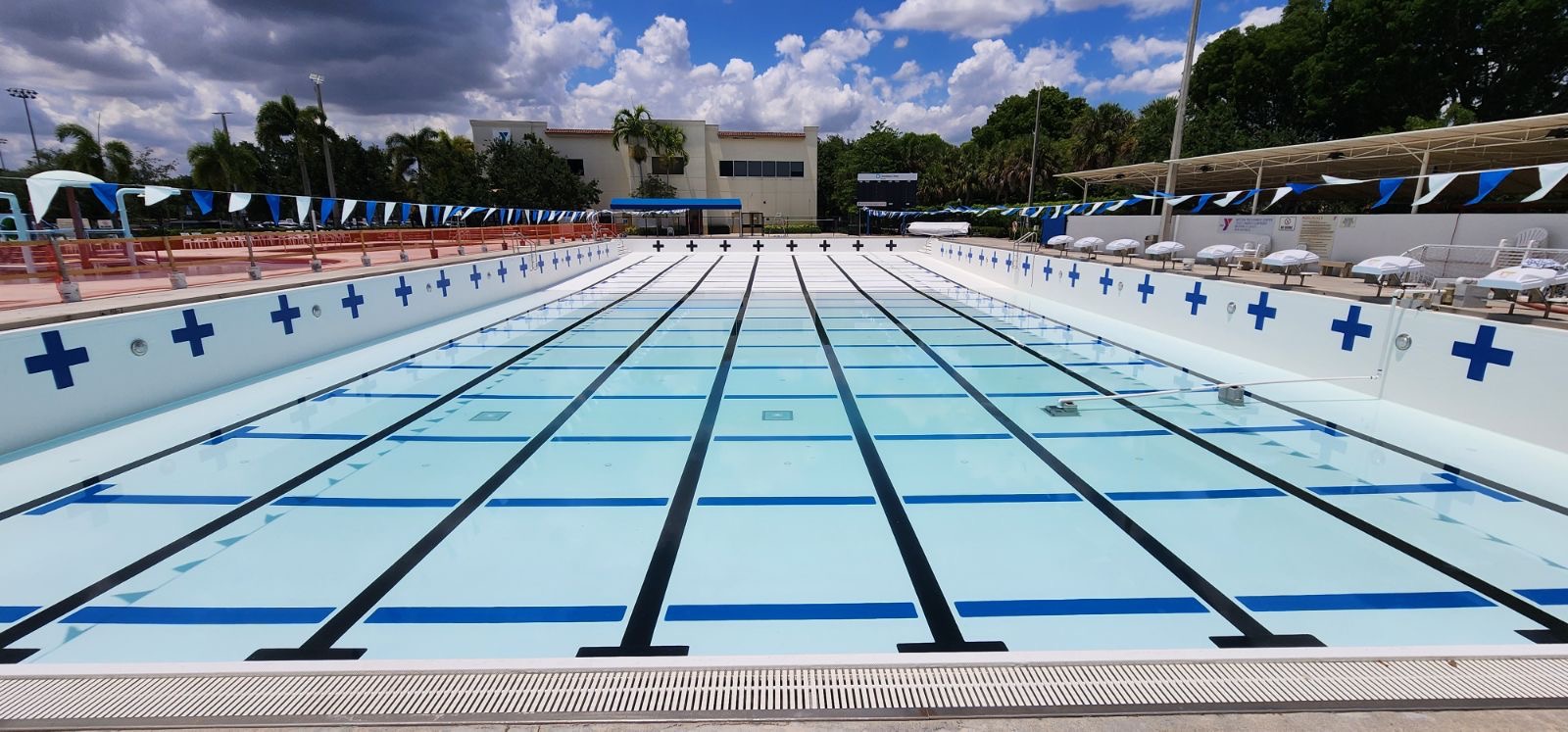
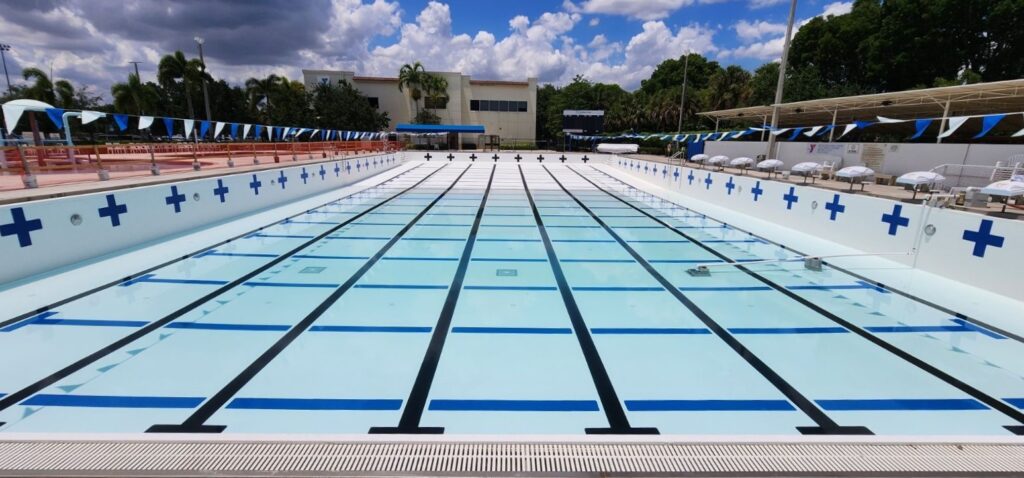
Installation discipline Is redefining pool renovation, says commercial pool specialist, Zack Tanner. Here he pulls back the curtain on his approach to renovating large watershape environments using discipline, innovation and common sense.
By Zack Tanner
In commercial aquatic construction, I’ve seen a pattern repeat itself over and over again. When a project performs well, the finish gets the credit. When it fails, the finish gets the blame.
But in my experience, performance starts long before the finish material ever touches the pool shell.
The membrane isn’t the problem. If there’s a failure, it’s almost always something underneath it, pressure issues, bad fittings or the way the system was installed in the first place.
That perspective has shaped everything we do at ZTI. We’ve built our approach around being selective, deliberate and uncompromising when it comes to installation standards. While a lot of contractors are competing on price, we’ve chosen to compete on precision. That’s where real performance lives, and it’s what separates predictable outcomes from recurring problems.
That’s why our slogan is, “The bitterness of poor quality lingers long after the sweetness of low price is forgotten”
Careful Steps
For me, the job doesn’t start with surface prep or rolling out material. It starts with testing.
We pressure test everything. Before we install anything, we want to know the plumbing system is sound. If there’s a leak, we find it before the PVC membrane ever goes in. That step alone eliminates a huge amount of uncertainty, especially in renovation work where you’re often dealing with decades-old infrastructure.
Too many times in this industry, I’ve seen failures misdiagnosed.
People say the PVC membrane failed, but when you dig into it, it turns out to be a pipe leak or a bad fitting that was there all along. If you don’t isolate those variables upfront, you’re setting yourself up for confusion later, and potentially blaming the wrong system entirely.
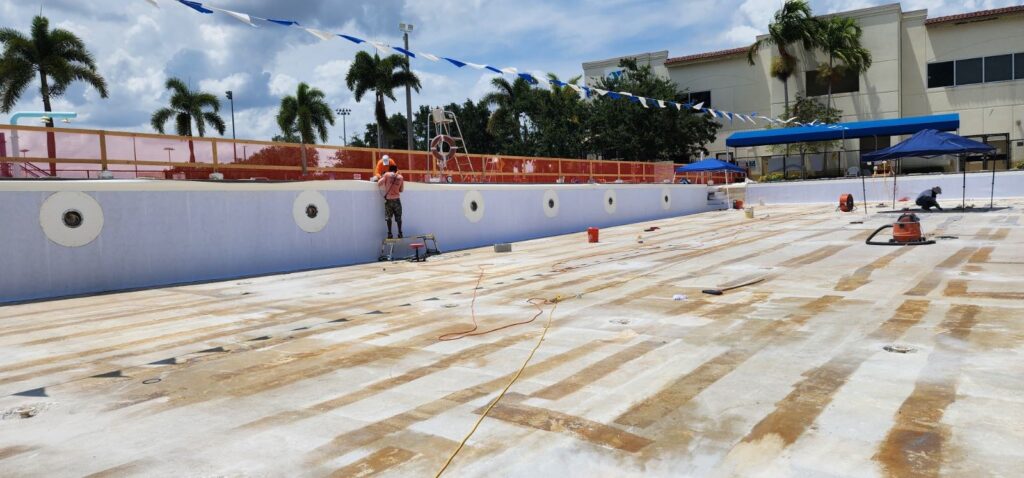
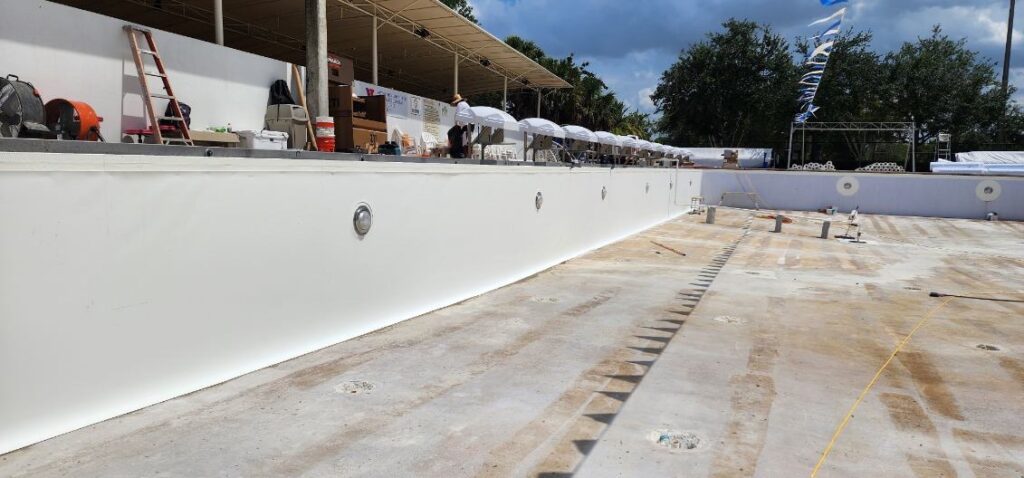
“You can have the best material in the world, but if the crew isn’t trained or if they cut corners, you’re going to have problems.”
That’s why we take the time to verify everything before we move forward. It protects our work, and it protects the integrity of the entire project.
Fittings are another area where we take a different path than a lot of the industry.
Many mechanically attached systems rely on compression rings and fasteners to create seals at penetrations. Those systems can work, but they depend heavily on consistent installation. You’re relying on screws, gaskets and torque, and over time, that introduces variables.
We try to eliminate as many of those variables as possible.
Fused Fittings
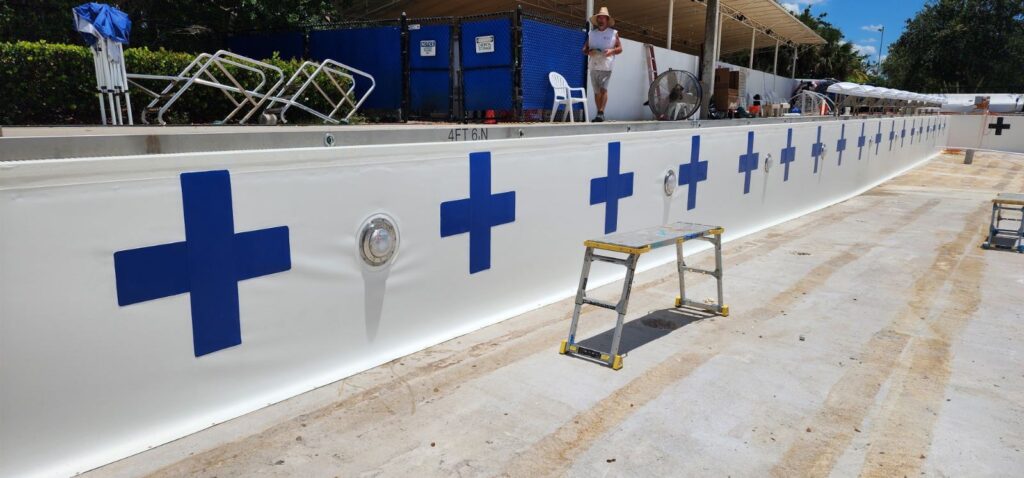
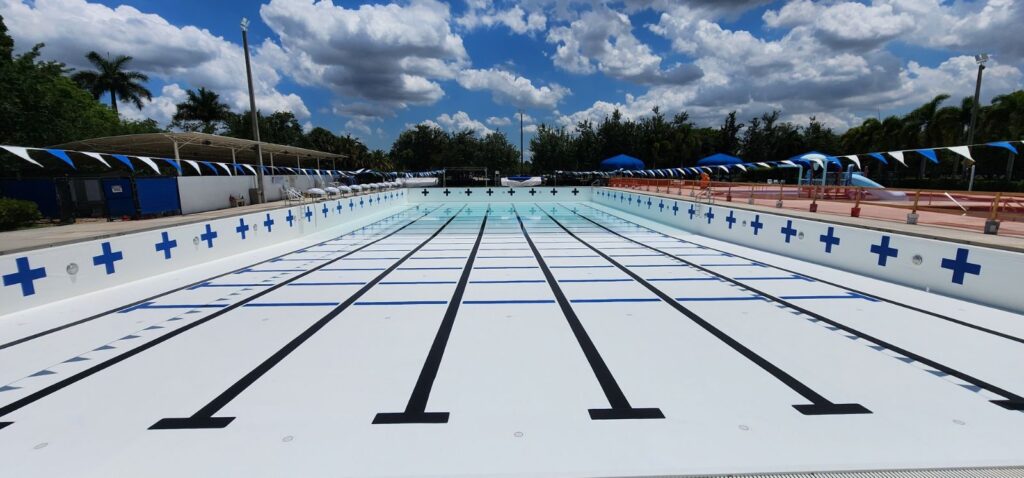
Our preference is to use PVC-compliant fittings and welded integration wherever we can. We don’t want something that depends on a screw and a gasket to hold back water long term. We want everything fused, everything tied together as a unified system.
It’s a simple idea. The fewer independent sealing points you have, the less chance there is for something to go wrong over time due to movement, vibration or inconsistency in installation.
That philosophy carries through everything we do, because at the end of the day, installation is the product.
I’m very direct about that. The installer makes or breaks the system. You can have the best material in the world, but if the crew isn’t trained or if they cut corners, you’re going to have problems.
That’s why our crews operate under tightly defined procedures. We document pressure testing. We follow strict fitting replacement protocols. We standardize seam welding techniques. We conduct internal quality inspections before turnover.
Those aren’t optional steps for us. They are the deliverable, the value we bring to the client.
In a lot of ways, that aligns with what engineers are starting to demand more consistently, enforceable standards, documented quality control and clear accountability. Instead of leaving quality to interpretation, the expectation is becoming something you can verify.
We’ve essentially internalized that mindset into our process.
It also means we don’t chase every job.
Process Control
There are projects we walk away from. If we can’t control the process, we don’t want our name attached to the outcome. That level of selectivity isn’t always easy, especially in a market that often rewards the lowest bid, but it’s been critical to maintaining consistency in what we deliver.
Because consistency is everything.
Every seam, every fitting, every detail has to be right. Reinforced membrane systems can perform extremely well, especially when you’re dealing with aging structures and less-than-perfect substrates. But they only perform as well as the way they’re installed.
That’s something the broader industry is starting to recognize.
As more municipalities focus on renovation instead of new construction, there’s a growing emphasis on extending the life of existing facilities. At the same time, engineers and specifiers are looking for ways to bring more structure into the process — certified installers, defined procedures, documentation requirements.
That shift is moving the conversation away from simply comparing materials and toward controlling the process itself.
From where I stand, that’s exactly where it needs to go.
At ZTI, we don’t treat reinforced membrane installation as a commodity. We treat it as a system that has to be controlled from start to finish. We verify the plumbing. We evaluate and replace fittings where necessary. We standardize welding. We inspect our own work before anyone else does.
Beyond the Surface
What we deliver isn’t just a finished surface. It’s a disciplined, documented installation.
That’s where the real differentiation is.
Anyone can roll out material. Not everyone is willing to control every variable. That’s the difference we’ve built our reputation on, and it’s why precision, more than anything else, has become our competitive advantage.
In this industry, the surface is what people see. But performance is built into everything beneath it.
Zachary C. “Zack” Tanner is an Aquatics Construction Executive with more than 48 years of experience with quantifiable success in managing multiple complex projects throughout Florida and the Caribbean. He is Qualifier and President of ZTI, LLC, and is a Certified Commercial Pool and Spa Contractor. His company specializes in municipality and government aquatics projects.